Compare your options
| Type | When to consider it | The tradeoff |
|---|---|---|
| Flat bed with removable cover | A soft resting surface when your dog leaves bedding intact and you can keep the cover and insert clean. | A washable cover does not mean the insert is washable. Check the care instructions for every layer and the dimensions after bolsters or edging. |
| Raised cot-style bed | A framed surface with space underneath for cleaning and less bulky filling. | Entry height, surface tension and stability may not suit every dog. Fabric can still be damaged; a raised design is not automatically chew-proof. |
| Mat or thin pad | A portable resting marker or simple surface where less bulk is useful. | Less cushioning and insulation. It can slide or bunch, and it must not interfere with a crate door or usable interior space. |
Measure the resting dog
Watch a few naps. Does your dog stretch out, curl up or lean against an edge? Measure the space occupied in those positions and compare usable sleeping area, not just the outside dimensions. A wide bolster can make a large-looking bed feel small. If several dogs share a space, plan separate resting options rather than assuming they will always share one bed.
Check access and placement
Try a resting area with a clear route in and out. Consider slippery floors, narrow corners and whether a raised edge is easy to step over. For a dog whose movement or comfort has changed, seek individual advice rather than treating an “orthopedic” label as a diagnosis or guarantee. Position the bed where your dog can rest without being repeatedly stepped over.
Choose around your laundry routine
Read the cover and insert instructions before buying. Check whether the largest piece fits your washing machine, how it dries and whether a spare cover is available. Think through an accident: can you clean the layer below the cover, or will it remain damp? For framed beds, check how the fabric attaches and whether dirt collects around connectors.
Account for chewing and digging
Inspect seams, zippers, filling and loose threads during use. If your dog destroys or swallows bedding, a filled bed is not a routine recommendation from our planner. Changing to a cot still requires supervision and an assessment of how the dog uses the fabric and frame. Do not interpret a durability claim as permission to leave damaged equipment in use.
Introduce one change at a time
Put the bed in a familiar resting area and allow investigation without repeatedly placing the dog onto it. Keep the first trial manageable, particularly if the surface moves or sounds different. Observe whether the dog chooses it, can change position and gets up comfortably. Keep packaging while checking fit against the seller’s return conditions.
Before you buy
- Usable surface accommodates preferred resting positions
- Entry height and footing work for the dog
- Cover and insert care instructions checked separately
- Largest washable component fits your equipment
- Replacement cover/fabric availability checked
- Chewing, loose parts and stability monitored
Common questions
Is the largest bed always best?
It must fit both the dog and the room. Excess floor area can obstruct walkways without improving the dog’s preferred sleeping surface.
Does orthopedic mean medically suitable?
The label does not replace an individual assessment. Look at the actual construction and seek advice for changes in comfort or mobility.
Can a crate pad change crate fit?
Yes. Bedding reduces usable height and may affect the door or ventilation. Recheck the complete setup with the pad in place.
Products to compare
- MidWest Cat & Dog Carrier Bed
- Vibrant Life Orthopedic Foam Dog Bed
- Top Paw Blue Bone and Paw Print Cuddler Dog Bed
- Top Paw Cozy Cuddler Dog Bed
- Top Paw Dog Print Tan Cuddler Dog Bed
- Vibrant Life Small Thick Corduroy Plush Bolster Dog Bed
Keep reading
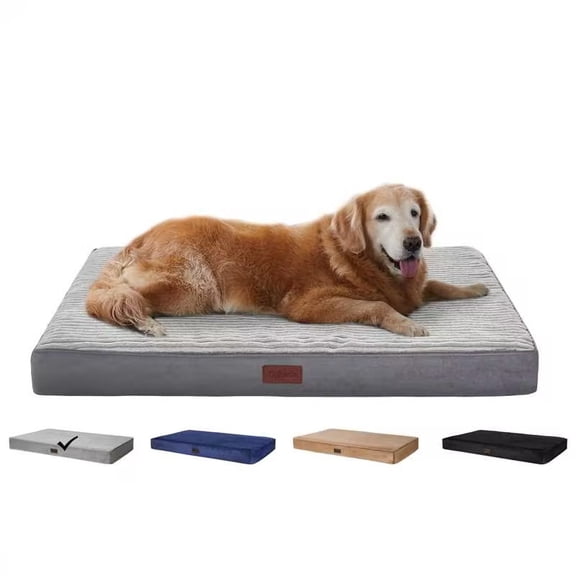 Washable dog beds: read beyond the first sentence →
 Dog beds for senior dogs: check the entry and the core →
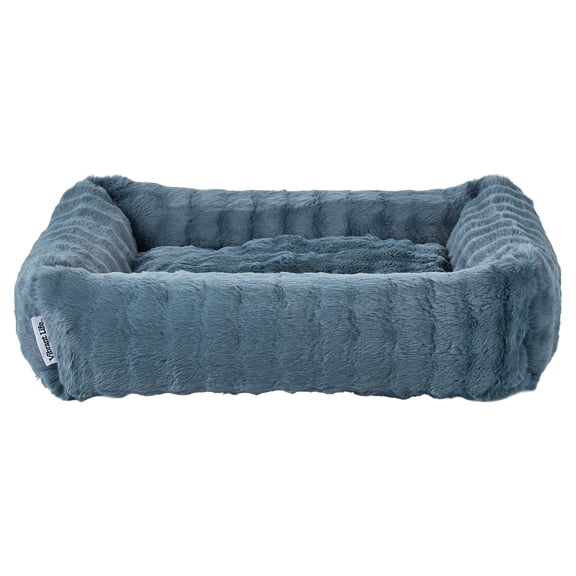 Cozy dog beds for dogs who seek a warmer nest →
Fit and care references
Check the instructions for the exact model you choose. Reference pages reviewed October 26, 2026.
Find what fits your situation ↗