Compare your options
| Type | When to consider it | The tradeoff |
|---|---|---|
| Folding wire | A practical option when you want visibility, a removable tray and the ability to fold it for storage. Check the actual folded weight and dimensions if you will move it regularly. | Visible hardware, possible rattling and exposed edges. Folding construction is not a solution for escape attempts. |
| Rigid-sided | Worth comparing when an enclosed shell suits your dog and you have room to store it assembled. Inspect ventilation, door access and how the shell separates for cleaning. | Bulkier to store. Home suitability does not establish airline acceptance or vehicle crash protection. |
| Furniture-style | Consider it when your dog already rests comfortably in a crate and the permanent footprint fits the room. | Decorative finishes add care needs. Wood and fabric elements are poor candidates for destructive chewing; verify usable interior space beneath the furniture exterior. |
Measure the dog and the room
Record nose-to-base-of-tail length and standing height, then check the manufacturer’s measuring method for the exact model. Confirm space to stand naturally, turn around and rest comfortably. Measure usable interior dimensions rather than treating a nominal “36-inch crate” as 36 inches of living space. Width, posture and the thickness of any bedding matter too. On the room side, check the exterior footprint, door swing and a clear route past the crate.
Plan for growth without guessing
A puppy’s measurements describe today’s fit. A divider can be useful where the model supports one, but it does not guarantee the whole crate will suit the adult dog. Record when you will recheck fit. If you are unsure about eventual size, compare return options and the cost of changing equipment rather than buying the largest enclosure by default.
Check comfort before confinement
Introduce the space while you are present and let your dog investigate. Build a resting routine gradually. Watch the response to the closed door separately from the response to being alone. Distress, panic or escape attempts change the decision: our planner stops generic crate recommendations in those situations. A stronger latch does not answer why the dog is struggling.
Make maintenance realistic
Before ordering, check whether you can remove the tray where the crate will stand, reach the back corners and obtain replacement parts. Follow the maker’s cleaning instructions and dry components before reassembly. Inspect latches, hinges, tray edges and damaged surfaces regularly. An inexpensive crate that is awkward to maintain may not fit your routine as well as a simpler design you can clean thoroughly.
Before you buy
- Exact model, size and door configuration recorded
- Usable interior and exterior dimensions checked separately
- Door opens fully in its intended position
- Dog can rest comfortably during supervised introduction
- Cleaning method and replacement parts checked
- Return conditions confirmed before assembly/use
Common questions
Is a more expensive crate safer?
Price alone does not establish suitability. Compare construction, fit, intended use and instructions. The planner does not convert cost into a safety score.
Can I use the same crate in the car?
Check the exact product’s transport instructions and any independently verified testing. This home-setup guide does not approve a crate for crash protection or air travel.
Should every dog sleep in a crate?
No. A bed or suitable room boundary may fit the household better. The right arrangement depends on the individual dog and how comfortably it can be managed.
Products to compare
- Top Paw Double Door Wire Crate
- Top Paw Single Door Wire Crate
- KONG Double Door Wire Crate
- Top Paw Plastic Portable Kennel
- Top Paw Portable Soft Crate
- Top Paw Tan and Blue Plastic Travel Kennel
Keep reading
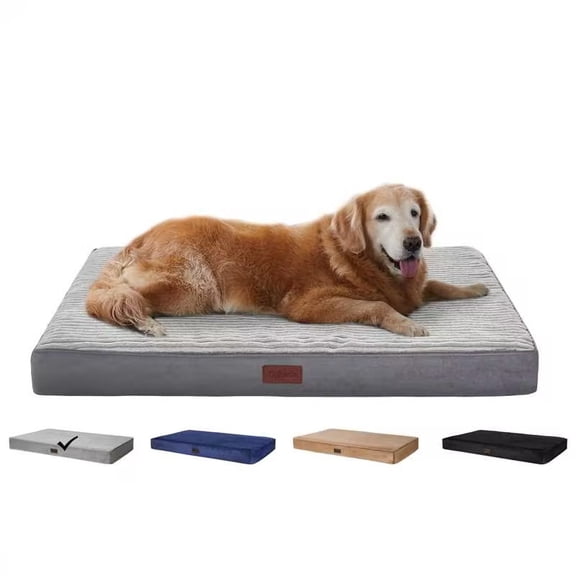 Washable dog beds: read beyond the first sentence →
 Dog beds for senior dogs: check the entry and the core →
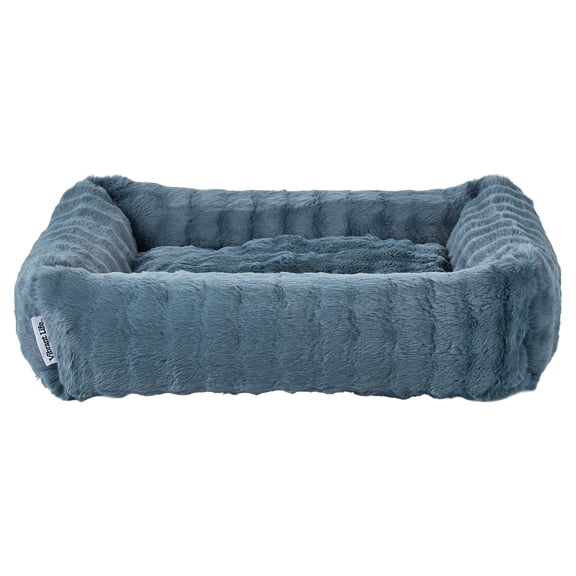 Cozy dog beds for dogs who seek a warmer nest →
Fit and care references
Check the instructions for the exact model you choose. Reference pages reviewed October 26, 2026.
Find what fits your situation ↗