16 practical guides
Find a leash for the way you walk.
Start with your walking routine, the space you use and how you prefer to handle a lead.
Browse all 131 leash reviews →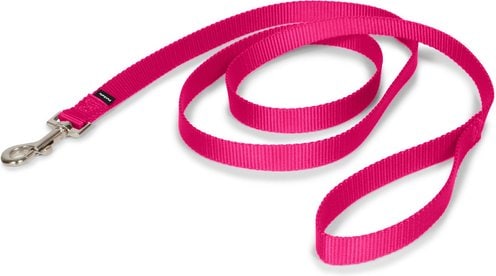
A puppy's first leash: keep the job simple
For a first puppy leash, we would start with a conventional fixed lead, a manageable clip and a length suited to supervised practice. An extending mechanism or a complicated multi-use system can wait until there is a clear reason to buy one.
Read the guide ↗Dog leash buying guide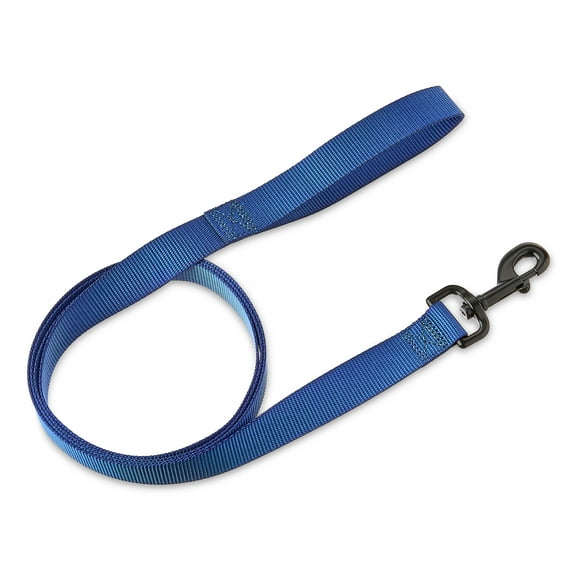
An everyday dog leash should make the ordinary walk easier
The most useful everyday lead is often a conventional one that the owner can hold comfortably and inspect easily. We would buy for the normal route before paying for features that only sound useful in a product title.
Read the guide ↗Dog leash buying guide
City walks: buy for the moments when space gets tight
On a busy route, we would prioritize a manageable fixed connection and an easy way to shorten the working distance. Extra reach is less useful than handling that works at crossings, entrances and narrow paths.
Read the guide ↗Dog leash buying guide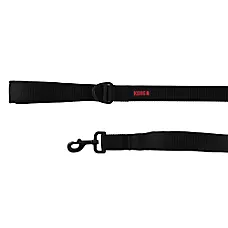
For dogs that pull, choose workable equipment and a training plan
We would not buy a lead on the promise that it stops pulling by itself. The useful comparison is whether the lead and attachment arrangement are appropriate, comfortable to handle and practical alongside reward-based walking practice.
Read the guide ↗Dog leash buying guide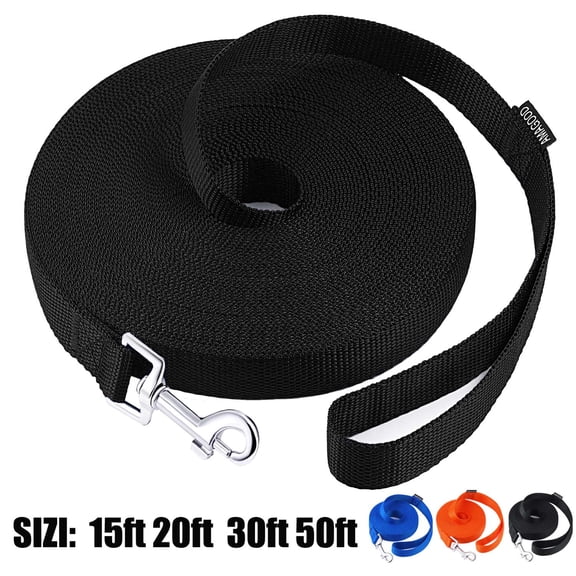
Long lines for recall: choose a distance you can manage
A long line can add supervised room to practice while the dog remains connected. We would start with the actual training space and the handler's line-management skills before choosing between fifteen, thirty or many more feet.
Read the guide ↗Dog leash buying guide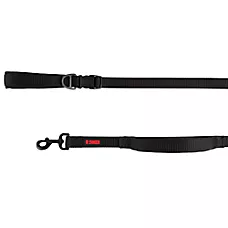
Hands-free leashes: compare the full configuration
We would buy a hands-free lead when its body-worn configuration serves a real walking preference. It still needs attention and accessible handling; the attachment moves some of the walking forces from the hand to the body.
Read the guide ↗Dog leash buying guide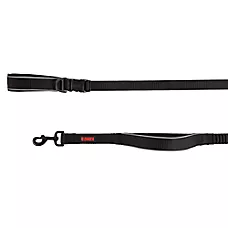
Running with a dog: make the lead part of a considered setup
A running-oriented lead deserves a separate purchase decision from ordinary walking gear. We would first establish that the activity suits the dog and handler, then compare a stable, understandable connection and manageable working length.
Read the guide ↗Dog leash buying guide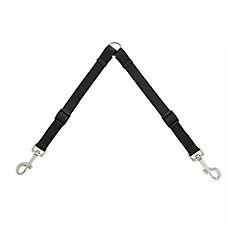
Two dogs, one connection: when a coupler is worth considering
We would consider a shared connection when both dogs already walk comfortably together and the owner wants less separate line to manage. Linking two dogs is not automatically easier when their pace, size or reactions differ.
Read the guide ↗Dog leash buying guide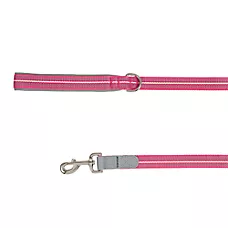
Evening-walk leashes: reflective trim or a rechargeable light?
We would distinguish reflective material from a light source before shopping. The useful extra feature depends on the route and setup, and neither description establishes a measured visibility distance in this package.
Read the guide ↗Dog leash buying guide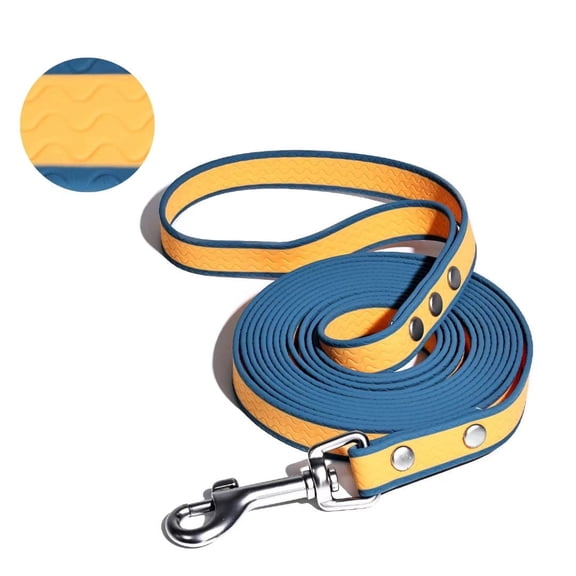
Muddy walks: choose a lead you can clean properly
When cleanup is the main reason to shop, we would compare documented materials and care directions. Coated leads can be worth investigating, but BioThane, PVC and TPU are not one interchangeable product identity.
Read the guide ↗Dog leash buying guide
Small-dog leads: check the clip as carefully as the length
A small-dog lead should be manageable for the person while using appropriately sized hardware for the dog. We would inspect width and clip weight rather than assume the shortest lead or an XS label settles the choice.
Read the guide ↗Dog leash buying guide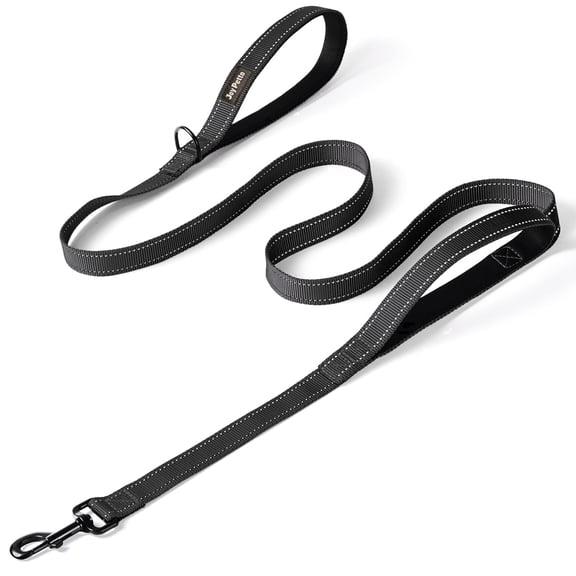
Large-dog leads: buy a specification, not a heavy-duty slogan
For a large dog, we would prioritize suitable stated limits, sound hardware and a lead the handler can manage. A thick appearance or Heavy Duty heading is not an independent test result.
Read the guide ↗Dog leash buying guide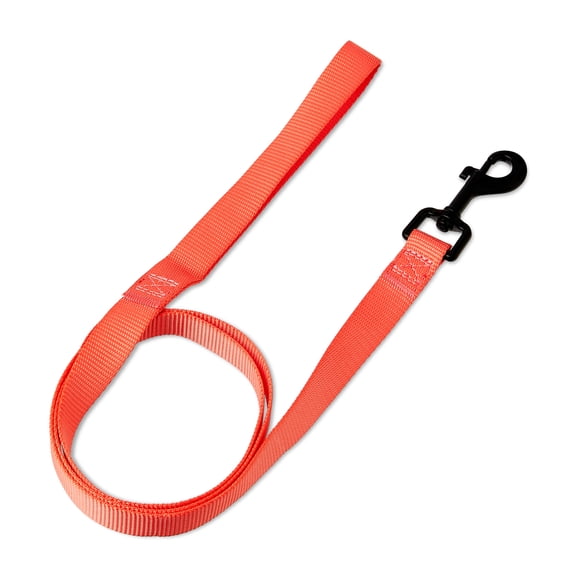
Budget dog leashes: compare the whole purchase
The lowest useful price belongs to a suitable selected lead, not necessarily the smallest entry variant or the largest sale badge. We would compare a simple fixed-lead baseline before buying extra mechanisms or accessories.
Read the guide ↗Dog leash buying guide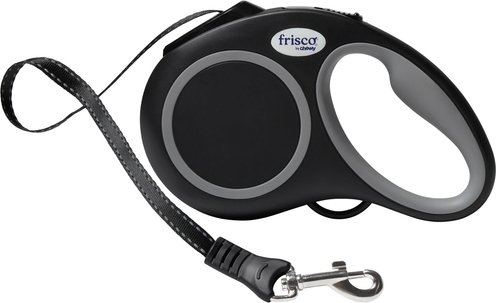
Retractable leads: choose the right setting before the model
We would decide whether an extending lead suits the dog, handler and surroundings before comparing brands. The mechanism creates a different handling task from a fixed lead; extra reach is not an automatic upgrade.
Read the guide ↗Dog leash buying guide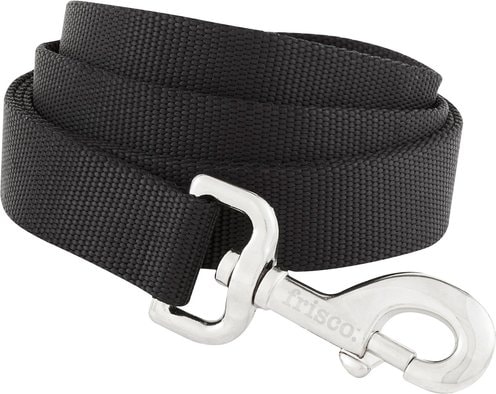
Rope, nylon or leather: choose the material for your routine
We would choose material for grip, upkeep and the intended walk rather than rank one surface above all others. A rope, webbing lead and leather lead can have similar lengths while feeling and cleaning differently.
Read the guide ↗Dog leash buying guide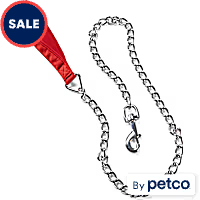
When a dog chews the lead: inspect the gear and address the habit
We would treat leash chewing as both an equipment-inspection issue and something to address in the dog's routine. Moving to metal or coated cable is a material decision, not a promise that the lead is indestructible.
Read the guide ↗