16 practical guides
Start with fit. Find your next harness.
Start with your dog’s measurements, handling preferences and the job the harness needs to do.
Browse all 118 harness reviews →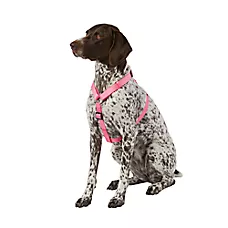
The best puppy harness starts with today's measurements
Our first puppy-harness purchase would be the simplest model that fits securely today. Buying an oversized adult harness to save a later purchase is poor value if a puppy can slip out of it now.
Read the guide ↗Dog harness buying guide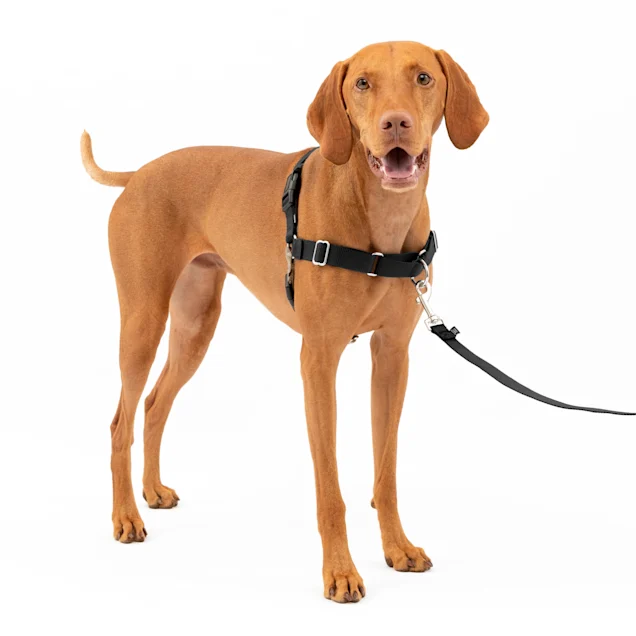
Buying a harness for a dog that pulls: control without a miracle claim
We would treat a no-pull harness as walking equipment that can help the handler, alongside a training plan. The phrase on the box does not tell us how the dog will move in that particular design.
Read the guide ↗Dog harness buying guide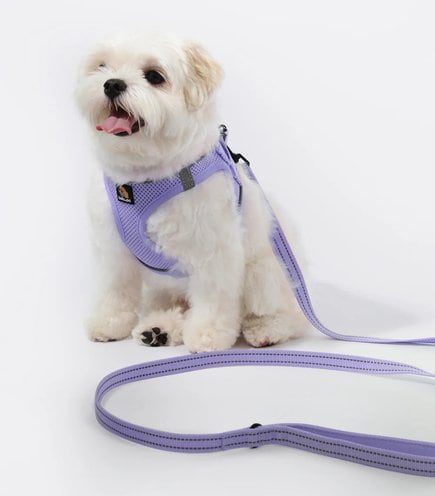
Small-dog harnesses: less bulk, better measurements
For a small dog, the amount of hardware and fabric matters almost as much as the nominal size. We would start with the chest and neck chart, then compare how much harness the dog actually has to carry.
Read the guide ↗Dog harness buying guide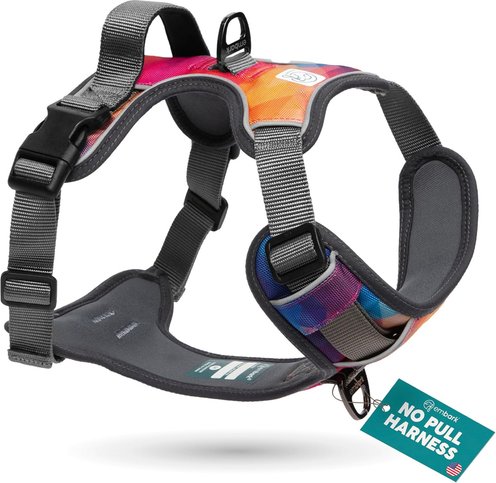
Large-dog harnesses: start with fit, then choose the handling features
A large-dog title is not enough information to buy a harness. We would check the full adjustment range, leash attachment and fastening instructions before choosing a larger or heavier-looking vest.
Read the guide ↗Dog harness buying guide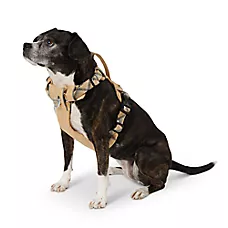
A hiking harness should earn its place on the trail
Our hiking shortlist favors a secure walking fit, useful adjustments and a realistic cleaning routine. Pockets, handles and modular attachment areas only add value when the outing actually calls for them.
Read the guide ↗Dog harness buying guide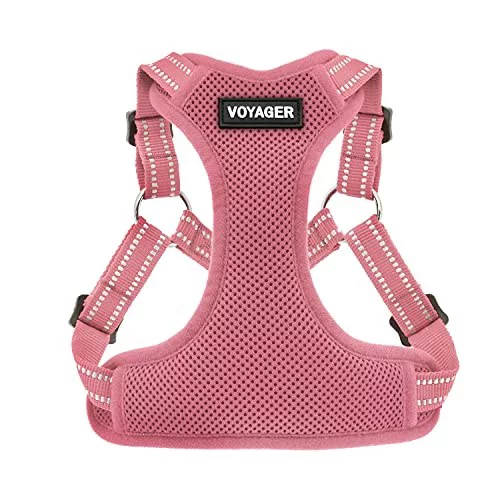
When a dog backs out: buy for a verified fit, not an escape-proof promise
We would take backing-out risk seriously without promising that any harness makes escape impossible. The useful purchase is a design that can be fitted to this dog's shape and checked in a secure setting.
Read the guide ↗Dog harness buying guide
Harness shopping for nervous dogs: make getting ready easier
For a nervous dog, we would choose a fitting routine the dog can learn comfortably. A harness can change how a walk begins, but it is not treatment for separation anxiety or a way to leave a distressed dog restrained at home.
Read the guide ↗Dog harness buying guide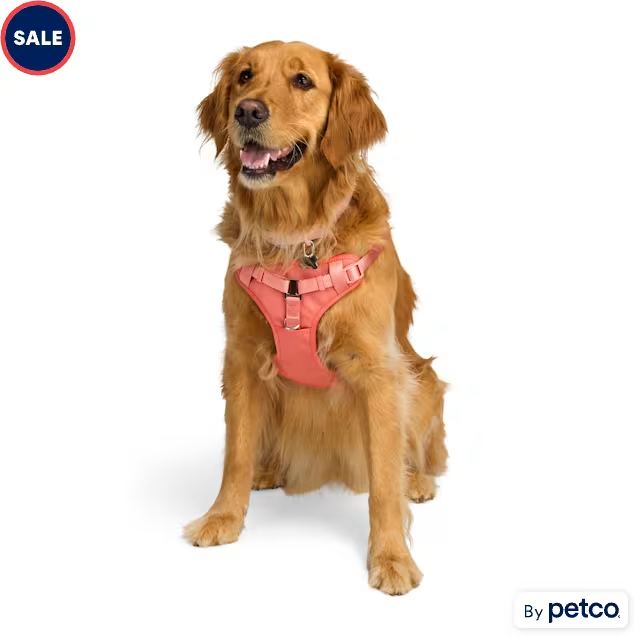
Step-in harnesses: compare the dressing routine before the price
Step-in is a useful description of how the harness goes on, not a guarantee of a secure fit or no-pull behavior. We would buy it when the owner and dog both prefer that routine.
Read the guide ↗Dog harness buying guide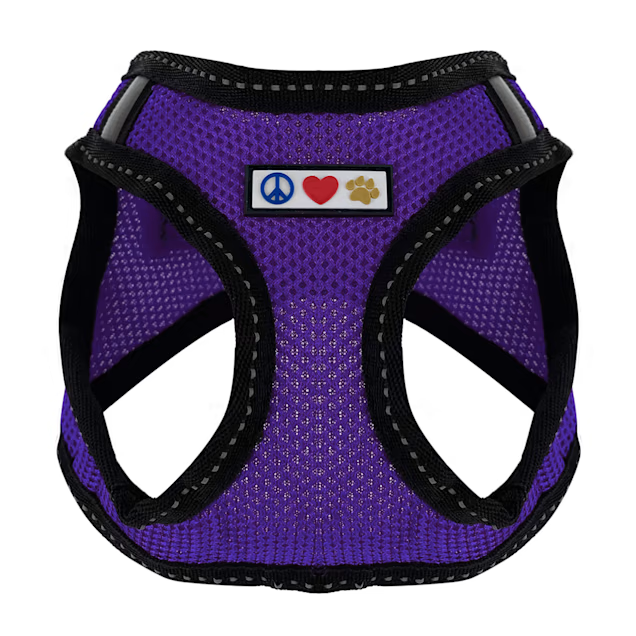
Reflective harnesses for evening walks: check where the light lands
We would treat reflective material as one useful feature in a visible walking setup. A reflective title does not tell us how much material is present, where it faces or how it looks under real conditions.
Read the guide ↗Dog harness buying guide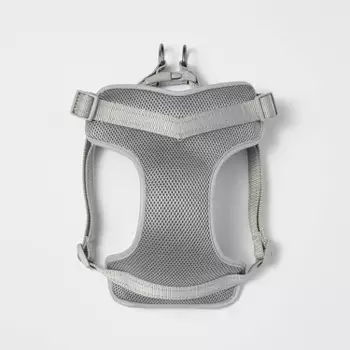
Warm-weather harnesses: reduce bulk without buying a cooling promise
For warm-weather walks, we would compare how much fabric covers the dog and whether the harness still fits properly. Mesh may be a useful construction choice; it does not make hot conditions safe.
Read the guide ↗Dog harness buying guide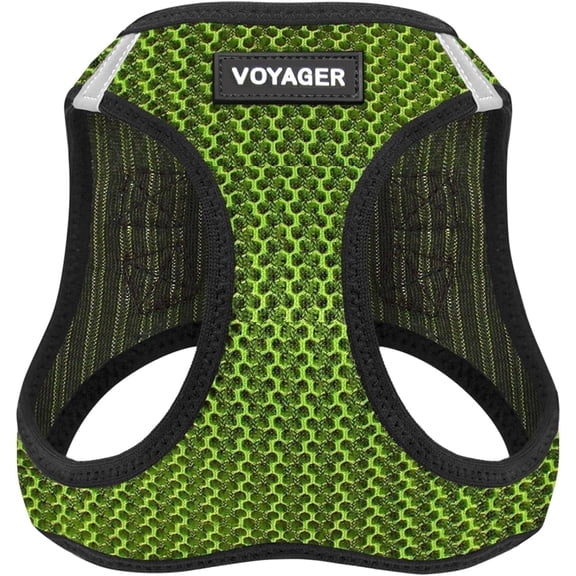
Muddy walks: buy a harness you can clean and dry
Our wet-weather purchase would start with the care label and a practical drying plan. Waterproof, water-resistant and quick-drying are different claims, and this research has not tested any of them.
Read the guide ↗Dog harness buying guide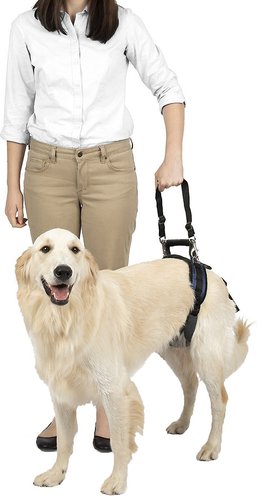
Mobility support harnesses: decide where help is needed first
A support harness is a different purchase from a walking vest with a handle. We would begin with the dog's assistance needs and the handler's ability, then compare the location of support.
Read the guide ↗Dog harness buying guide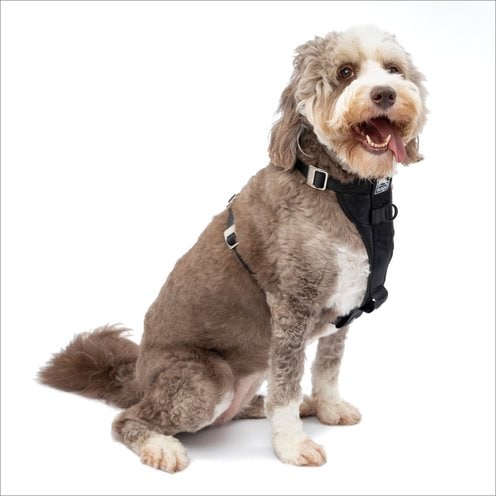
Car harness shopping: separate walking gear from crash evidence
The car-oriented Enhanced Strength Tru-Fit is the only starting model we feature here for a closer vehicle-use investigation. This is not a declaration that it is the safest harness or a claim of current independent certification.
Read the guide ↗Dog harness buying guide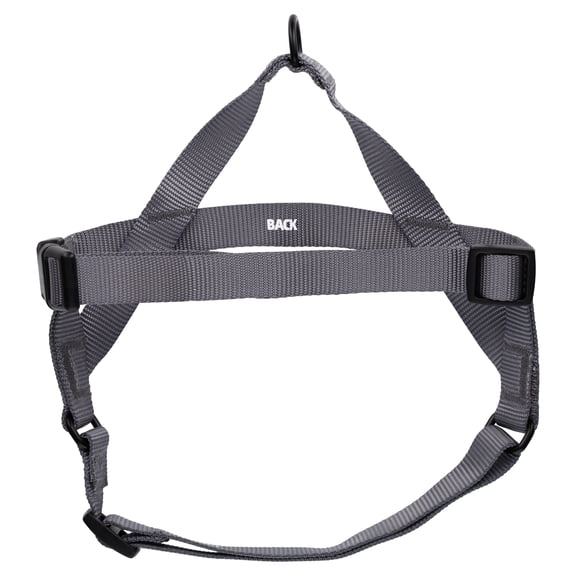
Budget harnesses: compare the usable fit, not the sale badge
The lowest useful price belongs to a harness that fits the dog and serves the walk. We would use the dated prices as a starting point, then compare the same size and included pieces before deciding what is inexpensive.
Read the guide ↗Dog harness buying guide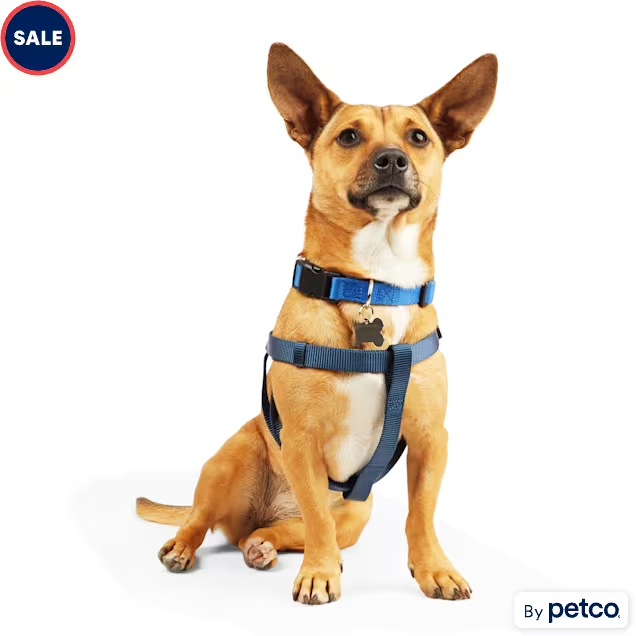
Everyday dog harnesses: choose the routine you can repeat
For neighborhood walks, we would choose a harness that is easy to fit correctly, comfortable during movement and simple to inspect. There is little benefit in buying an elaborate vest whose added features never leave the front door.
Read the guide ↗Dog harness buying guide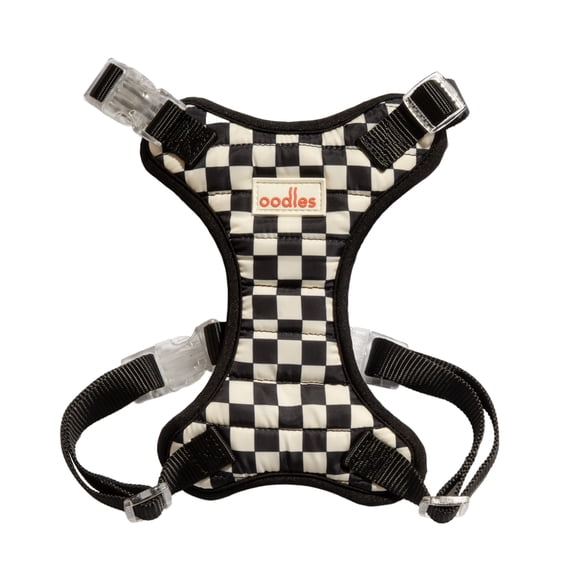
Style-first harnesses: make the fit the non-negotiable part
A pattern, knit finish or seasonal costume can be a perfectly reasonable reason to shop. We would keep the practical fit requirements intact and treat decorations as an additional feature to inspect.
Read the guide ↗