16 original Pawprint guides
A more interesting way to feed.
Choose a bowl, a licking surface, a fabric search or a puzzle by the routine you want to create.
Browse all 34 product reviews →Slow feeders
11 researched models
Lick mats
7 researched models
Snuffle mats
8 researched models
Puzzle feeders
8 researched models
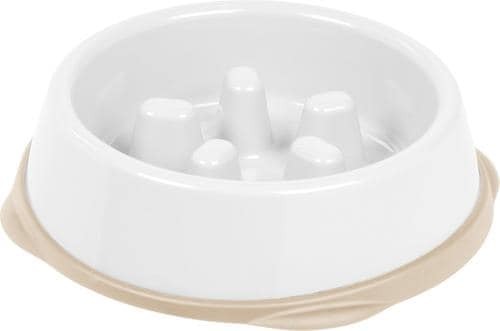
Slow feeders, lick mats, snuffle mats or puzzles: where to start
The best starting point is the job you want the feeder to do. We would choose one manageable activity before buying a cupboard full of increasingly difficult games.
Read the guide →Pawprint buying guide
Choose a slow feeder by access, portion and cleaning
We would buy a slow bowl that lets the dog finish a measured portion comfortably. A deeper maze is not automatically a better meal.
Read the guide →Pawprint buying guide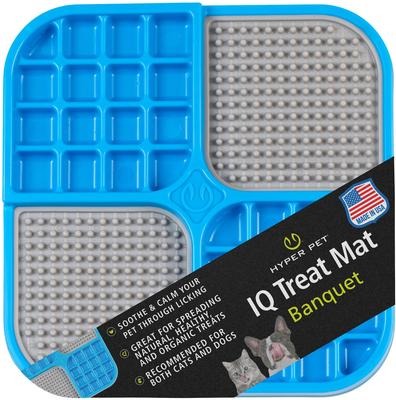
A useful lick mat starts with a workable spread
We would choose a texture that holds a thin layer of the planned food and can be washed thoroughly afterward. A mat is a food activity that needs supervision.
Read the guide →Pawprint buying guide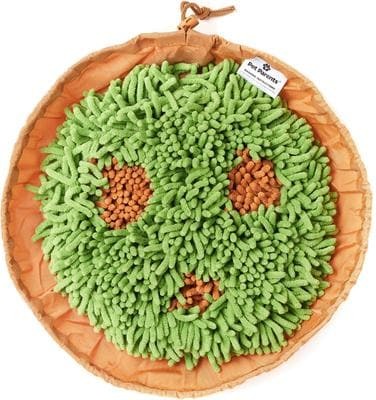
Choose a snuffle mat you can empty and wash
We would begin with reachable dry food and a mat the household can clean and dry reliably. Dense fabric is useful only while the dog is searching rather than dismantling it.
Read the guide →Pawprint buying guide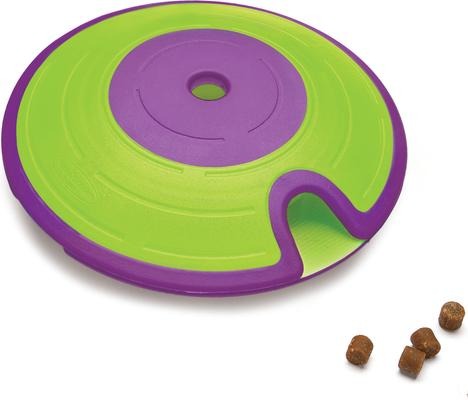
Buy the puzzle action your dog can learn
We would choose a game by the action it asks the dog to perform: lift, slide, spin or tip. Difficulty labels are useful clues, not a ranking of dogs.
Read the guide →Pawprint buying guide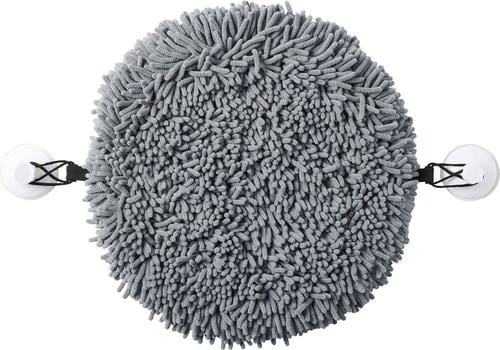
First enrichment feeders for a puppy
Our first puppy feeder would be easy to supervise, simple to empty and appropriate for today's mouth and meal portion. A puppy label alone does not settle those checks.
Read the guide →Pawprint buying guide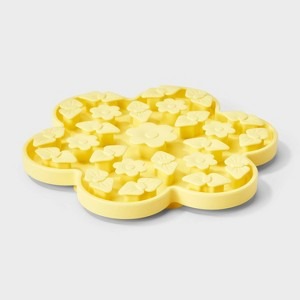
Short muzzles need access before a deeper maze
We would prioritize comfortable access to the food over a feeder's difficulty claims. A shallow surface may be a better starting comparison than tall narrow ridges.
Read the guide →Pawprint buying guide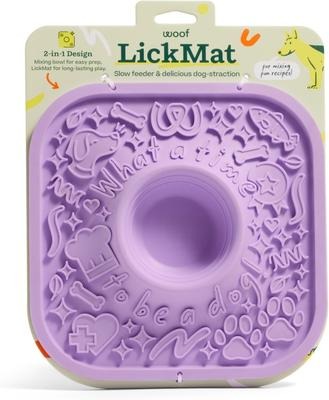
Wet-food enrichment: keep access and washing practical
For wet food, we would compare a washable licking surface or explicitly supported bowl before a fabric hiding game. Cleaning between uses is part of the purchase.
Read the guide →Pawprint buying guide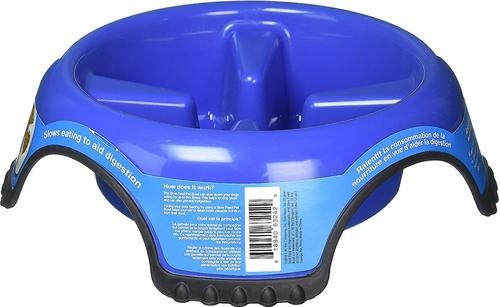
Three ways to make dry kibble more interesting
We would choose between ridges, fabric searching and dispensing based on the dog's behavior and the owner's routine. Measure the food before distributing it.
Read the guide →Pawprint buying guide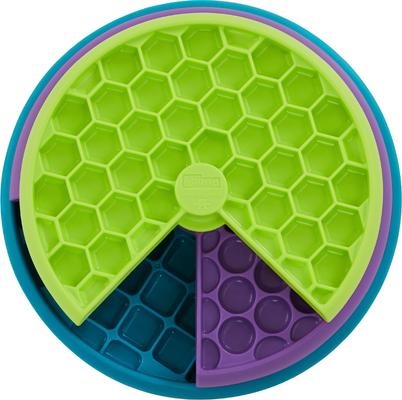
Choose the feeder you can clean after every use
We would put a clear cleaning routine near the top of the buying checklist. Daily use brings food into grooves, seams and fabric folds.
Read the guide →Pawprint buying guide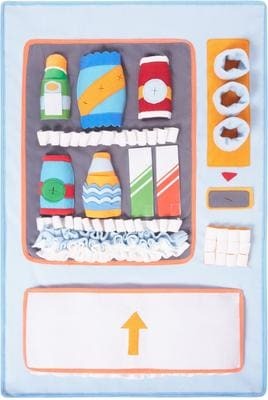
Enrichment feeders for homes with little spare floor space
We would start with the activity footprint and where the empty product will live. A small home can still offer variety through one manageable feeder at a time.
Read the guide →Pawprint buying guide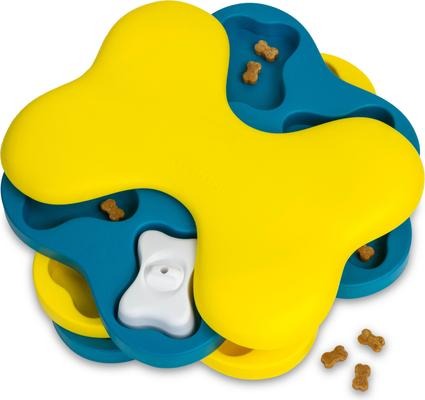
Beginner puzzle sessions should make success easy
Our first puzzle session would reveal the food with one understandable action. We would use the person's demonstration and an easy setup before adding more covers.
Read the guide →Pawprint buying guide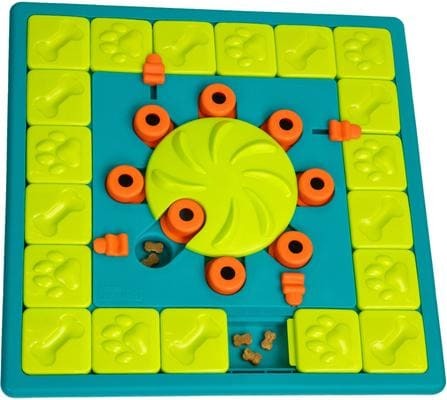
When a more difficult dog puzzle is worth considering
We would add complexity only after the dog uses the existing game comfortably. More sliders and a higher level are useful when they create a learnable next step.
Read the guide →Pawprint buying guide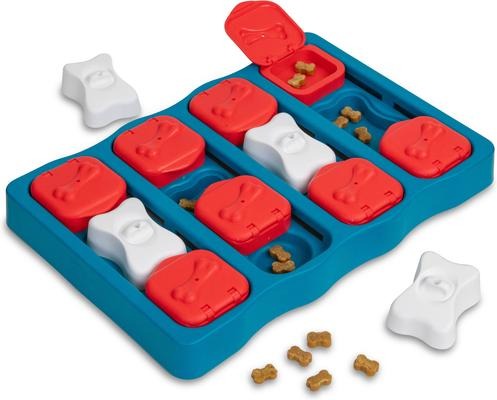
Compare enrichment prices without buying the wrong variant
We would set a budget around the complete usable item. The lowest recorded family price is a research starting point, not proof of the best deal.
Read the guide →Pawprint buying guide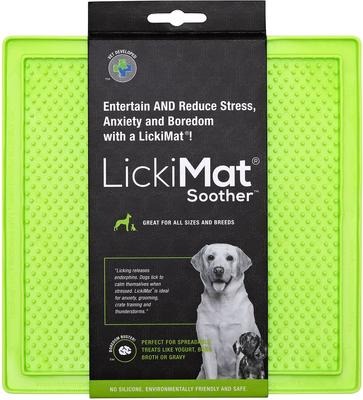
Multiple dogs: plan separate supervised feeding stations
We would choose each feeder around the dog using it and give every dog enough space for a calm supervised activity. Buying identical items is optional.
Read the guide →Pawprint buying guide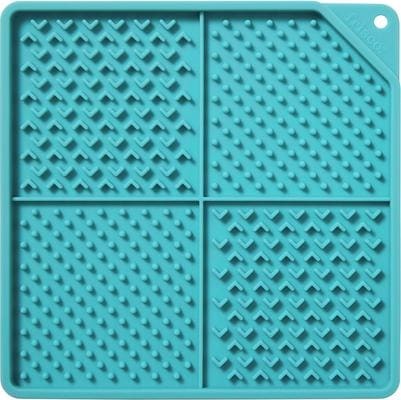
Build an enrichment rotation without overbuying
We would begin with two different activities that are easy to supervise and clean. Variety comes from how food is presented as well as which product is used.
Read the guide →