16 practical guides
Choose for the life you share.
Kennel decisions by routine, home and travel needs. Start with fit and your dog’s response to confinement.
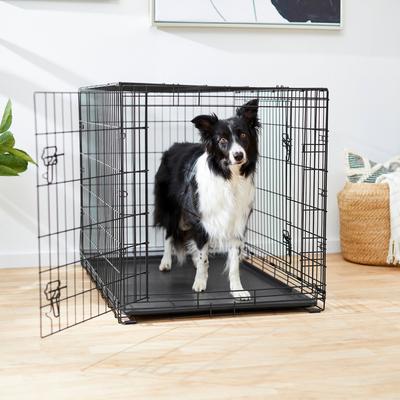
Best kennels for puppies
A puppy kennel earns its place by making everyday care easier: a manageable sleeping area, straightforward cleanup and a door you can reach without rearranging the room. Start with fit and a patient introduction. A long feature list cannot make an oversized or poorly placed crate comfortable.
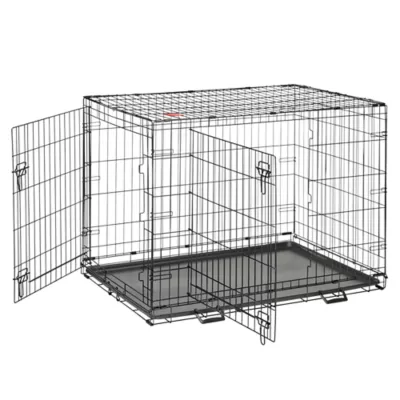
Kennels for separation anxiety and what to consider first
There is no kennel that treats separation anxiety. A dog that becomes distressed when left alone needs an appropriate behavior and care plan. VCA warns that some dogs with separation anxiety can injure themselves attempting to escape a crate. A stronger lock does not establish that continued crating is suitable.
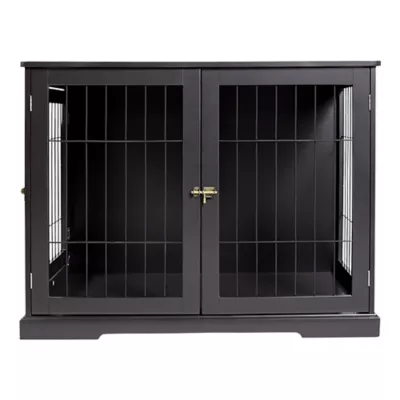
Best kennels for your living room
A living-room kennel has two jobs: give the dog a usable resting space and fit a room people share. Furniture-style crates can make that balance easier, but the interior dimensions matter more than the tabletop measurements. Photograph the intended location and measure the dog’s space before comparing finishes.
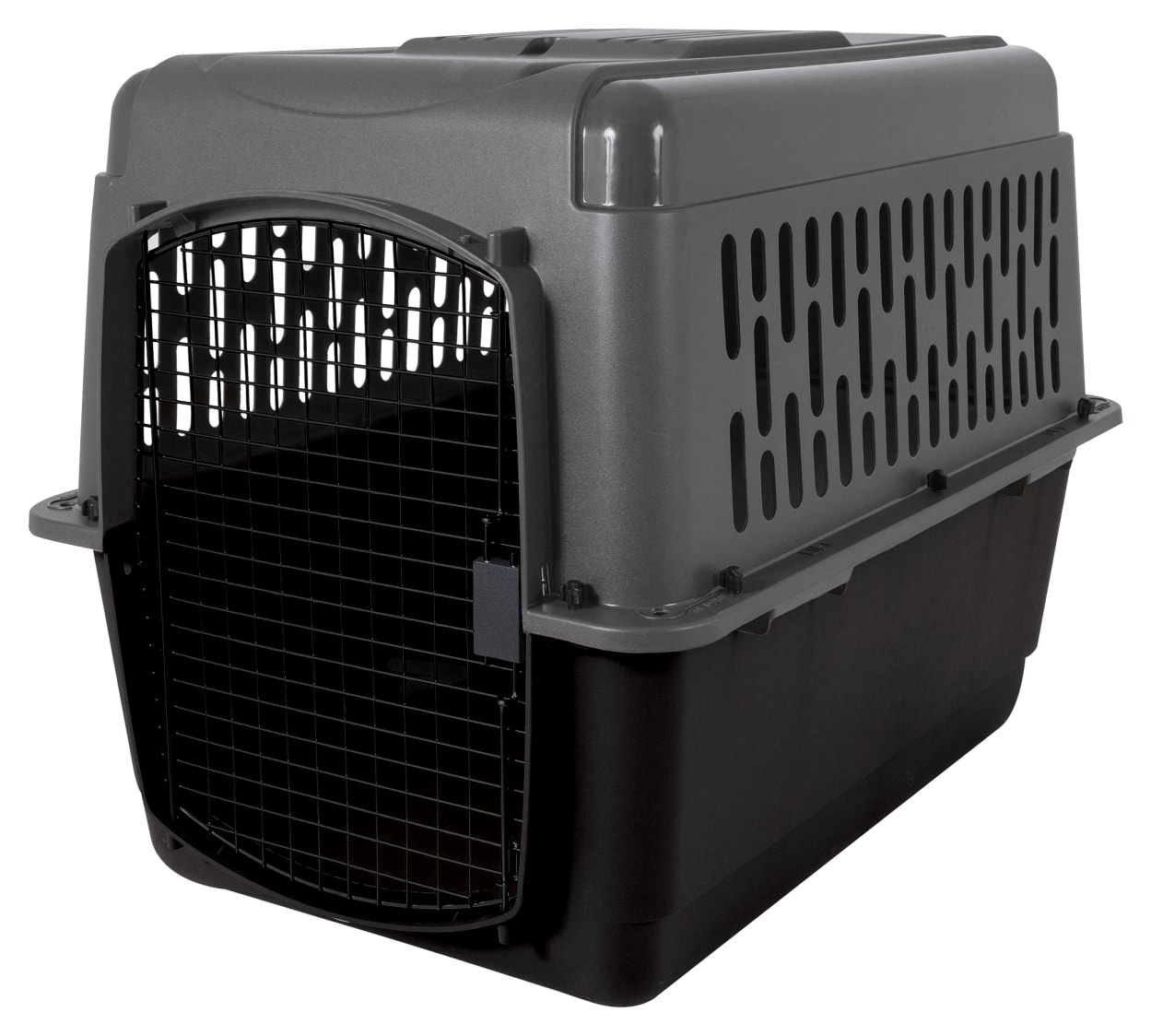
Best kennels for your vehicle
A crate that keeps a dog in one place is not automatically a crash-protective system. For vehicle use, compare the exact kennel model, size, installation method and relevant independent evidence before looking at storage pockets or decorative finishes.
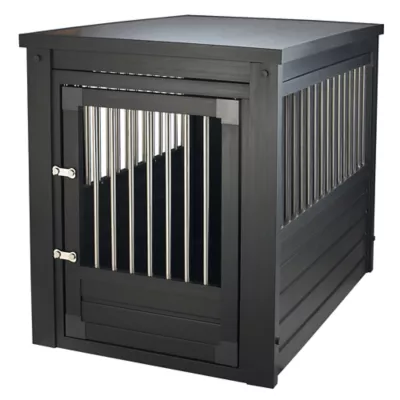
Best kennels for apartment living
Apartment shopping starts with a floor plan. Mark the kennel footprint with tape and walk past it carrying the things you use every day. The best location leaves both a comfortable dog area and a route that does not require everyone to step around an open door.
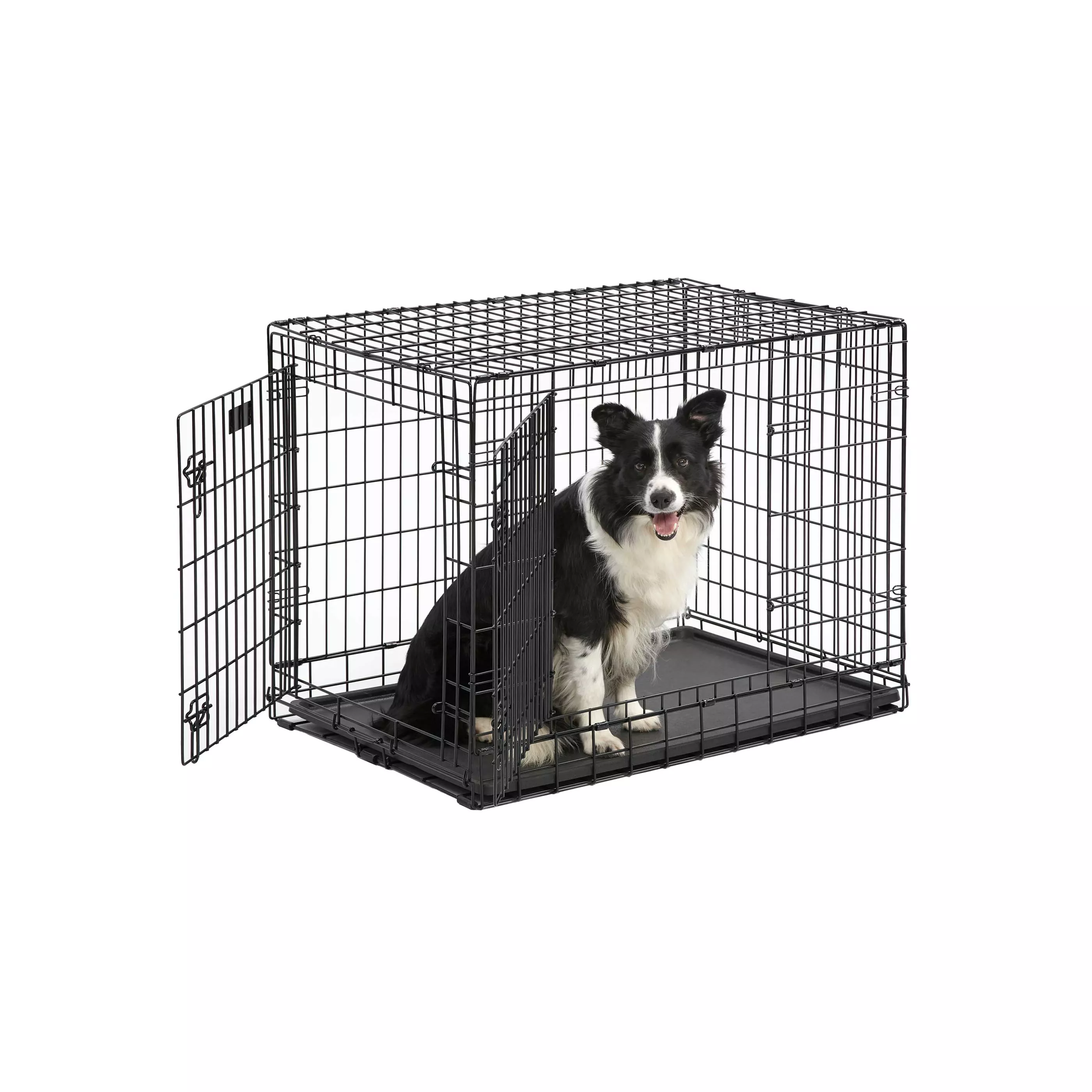
Best kennels for large dogs
A large-dog kennel should be chosen with measurements, not a breed photograph. Product labels such as Large and Extra Large are not standardized across the brands in this catalog. Compare the actual usable interior and the dog’s ability to enter and settle naturally.
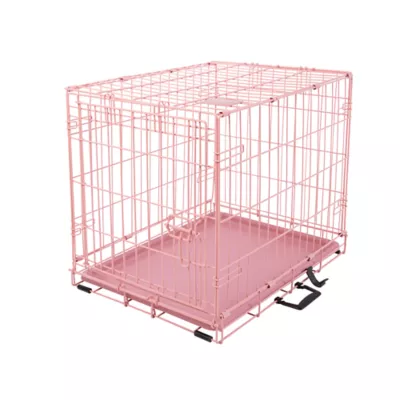
Best kennels for small dogs
Small dogs need a kennel that is easy to enter, comfortable inside and compatible with their size. A small exterior footprint is useful, but the spacing of the enclosure and the position of the door matter just as much as the overall length.
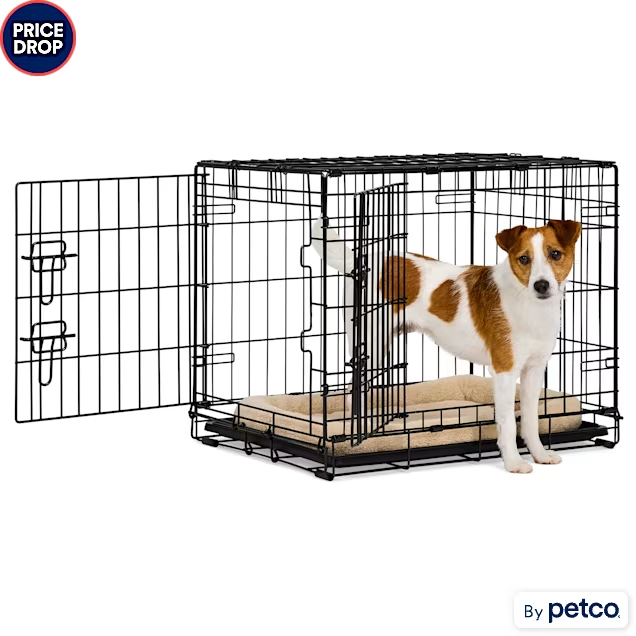
Best kennels for crate training
A useful training crate is easy to approach, easy to reward around and easy for you to operate. Hardware is only part of the setup. VCA describes gradual introductions with the door initially open, followed by brief closed-door periods as the dog becomes comfortable.
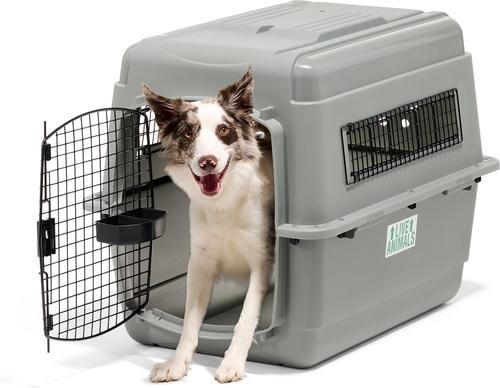
Best kennels for easy cleaning
Easy cleaning is more than a smooth-looking exterior. Consider where water, hair and dirt collect, how those areas can be reached and where the dog will stay while you clean. A design with an accessible tray may save more effort than a decorative surface that wipes clean only on the outside.
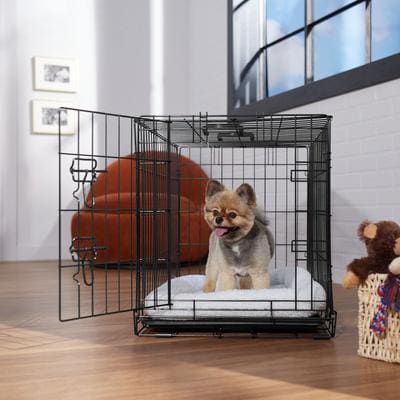
Best folding kennels for storage
A folding kennel is a good fit when you will regularly clear the room, store it between visits or take a familiar resting space somewhere else. Compare the folded dimensions and how the package is secured, not only the size of the assembled crate.
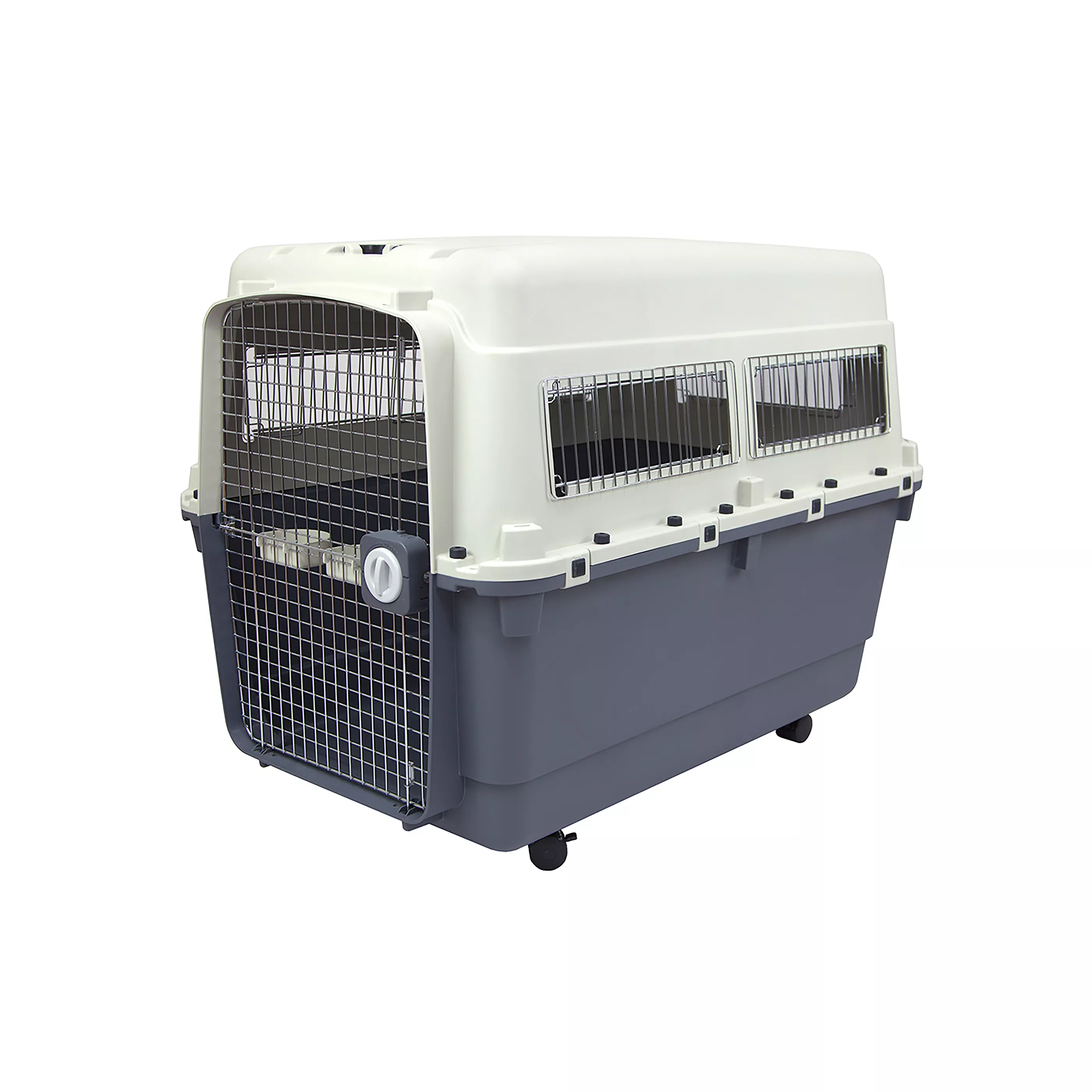
Kennels for air travel and what to verify before buying
Air-travel shopping begins with the airline and the planned journey. A product title that says airline approved is not confirmation that your airline will accept that kennel, that size or your dog on that flight. IATA’s traveler guidance is a useful starting point, followed by the carrier’s current requirements.
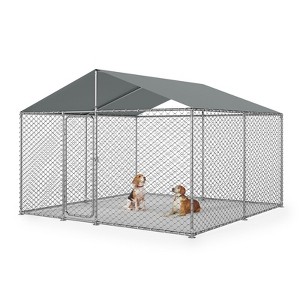
Best kennels for outdoor use
An outdoor kennel is a containment structure, not a complete care plan. Compare the location, weather exposure, supervision and the dog’s needs before deciding on the frame. A covered run and a portable indoor crate are different products even when both are called kennels.
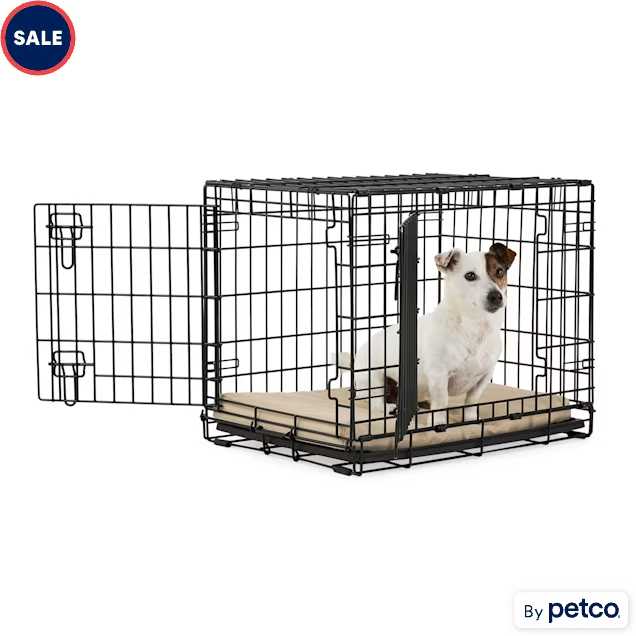
Kennels for chewers and escape attempts
Chewing and escape attempts are reasons to reassess the entire confinement setup. Compare materials and connections, but first consider when the behavior occurs. A dog calmly mouthing a surface and a dog panicking when left alone present different purchasing questions.
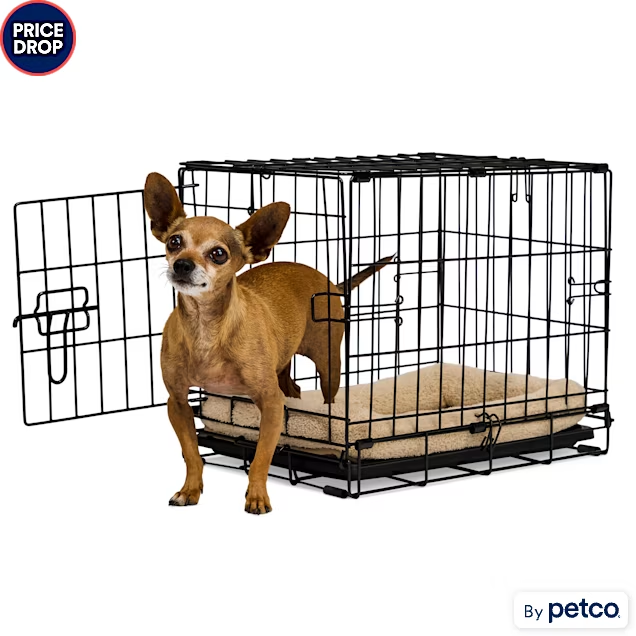
Best budget kennels
A budget kennel should meet the same basic fit and usability requirements as a more expensive one. Start with the size and construction your dog needs, then compare prices. A very low family-level price is not a bargain if it applies to a smaller size than the one you will use.
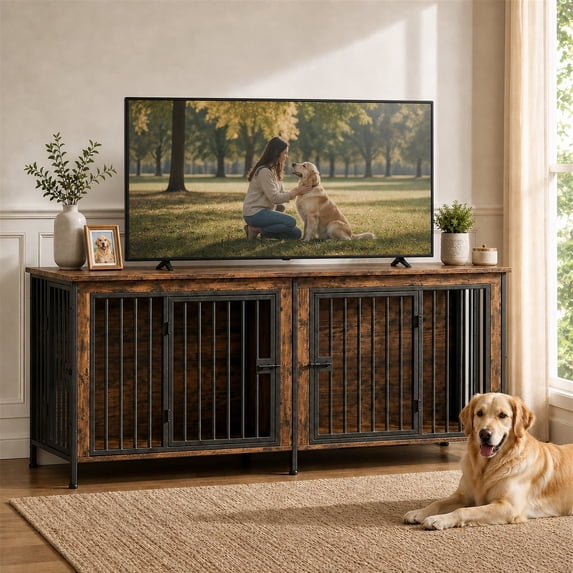
Best kennel setups for multiple dogs
Two dogs do not automatically need one double kennel. Begin with each dog’s size, routine and comfort with confinement. Two independent crates can offer more flexibility than one furniture unit, particularly when the dogs need different locations or schedules.
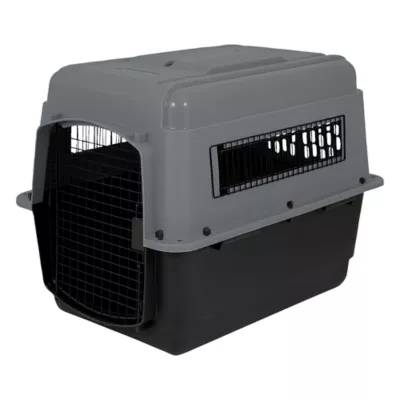
Kennels for senior dogs and limited mobility
For an older dog, a convenient kennel is one the dog can use without an awkward approach and one you can reach into comfortably. Start with how the dog moves today. If pain, weakness or a recovery plan affects the choice, discuss the setup with the veterinarian who knows the dog.
Travel together
Which kennel works for your vehicle?
Start with a practical answer, then choose your make and model for a dedicated guide.
Find your vehicle’s guide →