Research-based shortlist, not a verified-fit list. Confirm your model year, body style, trim and seat layout before buying.
This guide builds on our general guide to choosing the best kennel for your vehicle. Start there for the overall approach, or change vehicles with the selector below.
Start with your GMC Sierra’s layout
A Sierra kennel purchase starts with a cab decision, not a bed-length decision. The 1500, HD and EV families can have different interior layouts. A wide kennel may fit across the rear area yet still prevent the door from closing or block the access needed to secure it.
Plan around the items that normally stay in your Sierra: rear-cabin organizers, tools and passengers all consume the same proposed kennel space. Write down which items move and where they will be restrained. This is especially useful when comparing an occasional removable kennel with a setup intended to remain in the truck.
The door-closing test comes after the kennel is in its final position. Look for a projecting handle near the trim and enough room to reach the latch without shifting the enclosure. The Sierra family notes below distinguish the starting vehicles; bed volume should never be substituted for these passenger-cabin checks.
Choose your configuration
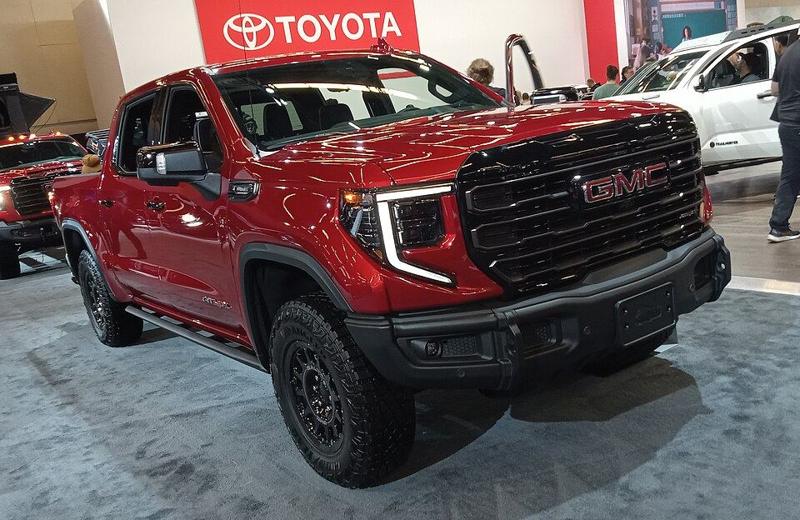
Cab layout and model year matter. The following are separate starting points, not interchangeable fit approvals. The representative photo above does not show every configuration.
Sierra 1500
For a Sierra 1500, the model year and cab are more useful fit information than a Denali, AT4 or other trim badge alone. Map the occupied front and rear seats before choosing a kennel position. Accessories, storage and the exact console arrangement can consume the space a photograph appears to show. Measure the route through the door as well as the finished position, keeping front seats in their normal driving settings. If your plan uses a changed rear-seat position, consult the instructions for that generation and check the surface that will support the enclosure. A useful trial includes placing the full-size mock-up, closing the passenger door and reaching the kennel latch. Keep both passengers and the dog’s required interior room in the decision; do not solve a tight cabin by undersizing the kennel.
Sierra 2500 HD
A Sierra 2500 HD deserves a fresh measurement even if you have already installed a kennel in a Sierra 1500. Confirm the model year and cab, then identify the seating position or supported floor area you intend to use under the product instructions. Do not interpret the truck’s larger work role as a guarantee of more useful space for the dog. The doorway and the clearance behind an occupied front seat can decide the outcome before overall cabin width becomes relevant. Test the handling routine with an empty kennel or mock-up, allowing for its full height and handles. Reserve room for a usable latch and the specified restraint path. If work bags normally live in the rear cabin, include them in the packing plan and secure them separately rather than stacking them against the kennel.
Sierra 3500 HD
The Sierra 3500 HD’s load-carrying role can distract from the passenger-area questions that determine a kennel choice. Select your actual cab and year and keep the required passenger seating intact during the assessment. A dual-rear-wheel configuration or a long bed does not tell you whether a dog-sized kennel clears the rear door. Work out where personal gear and any towing-related equipment will travel before reserving a cabin footprint. Then test a mock-up that includes handle and latch projections, not just a rectangle taped on the floor. Plan for lifting and removing the empty kennel at the truck’s normal parked height. Confirm the enclosure manufacturer’s supported restraint method, preserve passenger access, and avoid treating a tight wedge between seats as a substitute for an engineered installation.
Sierra EV
The Sierra EV needs a separate fit assessment from a Sierra 1500 or HD truck. Record the exact year and trim, and begin with the cabin closed up in the configuration used for driving with passengers. Cargo-expansion features and front storage are not automatic dog-transport locations. The kennel must fit the dog, pass through the loading opening and be installed according to the relevant instructions as a complete arrangement. Check the support surface, ventilation and any clearance needed around the passenger restraints. If your plan relies on changing a seat or cargo partition, review that operation in the owner’s manual before committing to a product. A full-size mock-up can rule out unsuitable geometry, but it cannot establish crash performance. Keep a separate place for bags so they cannot obstruct the kennel entrance.
The checks that matter here
- 1500, HD or EV configuration
- Rear-door closure and handle clearance
- Usable cabin width with required seats retained
Kennels we would compare for the GMC Sierra
Compare a compact RuffLand option for repeated removal and a dog-sized Gunner G1 where its installation requirements can be met. Favor a simple cabin layout over buying the largest kennel the truck appears to accept.
RuffLand single-door kennel
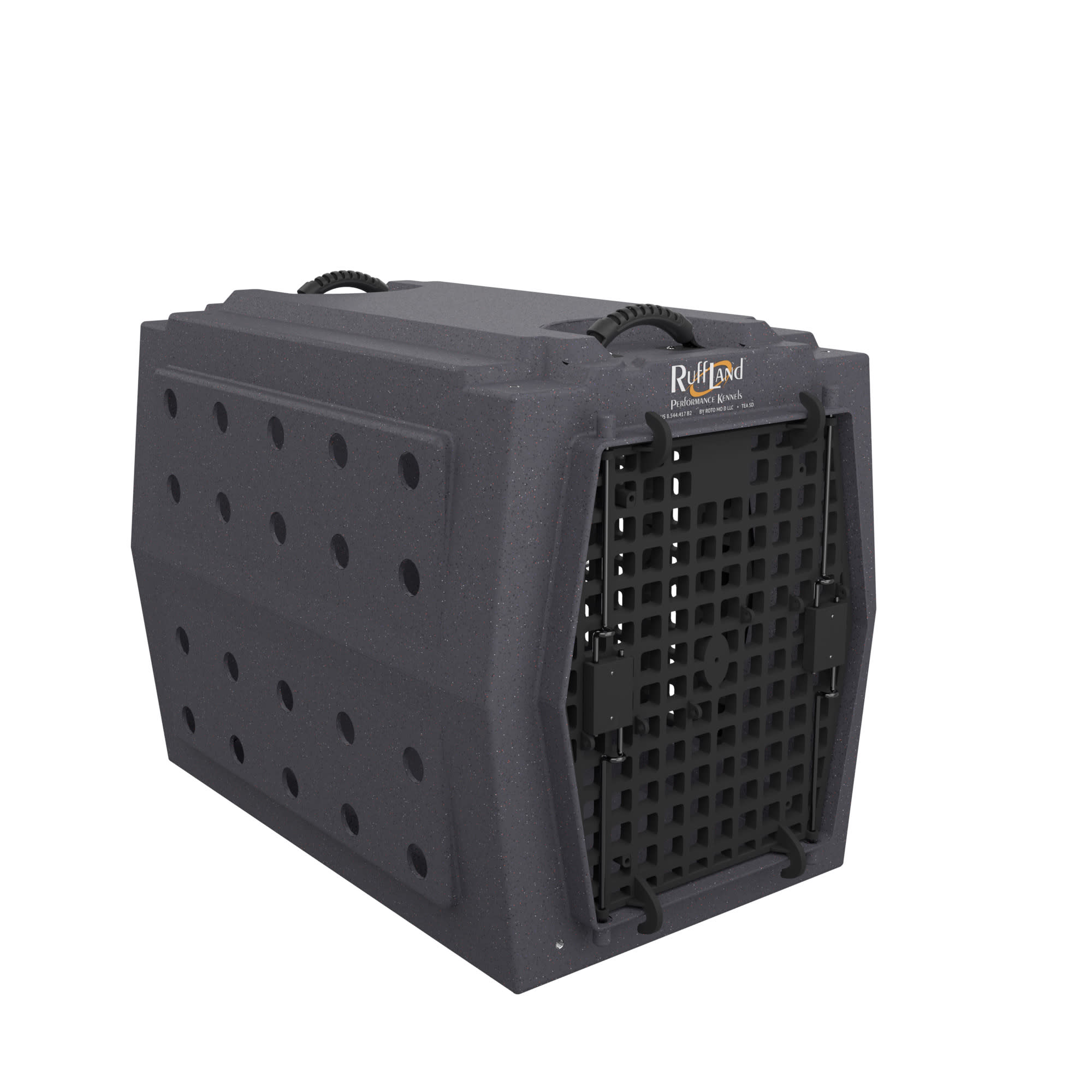
Consider a removable cabin setup after accounting for the Sierra’s usual tools and storage, with a latch you can reach after closing the vehicle door.
When we would pass: Reject this layout if 1500, hd or ev configuration cannot accommodate the dog-appropriate shell and a usable entrance.
Check this option and its instructions →
Gunner G1
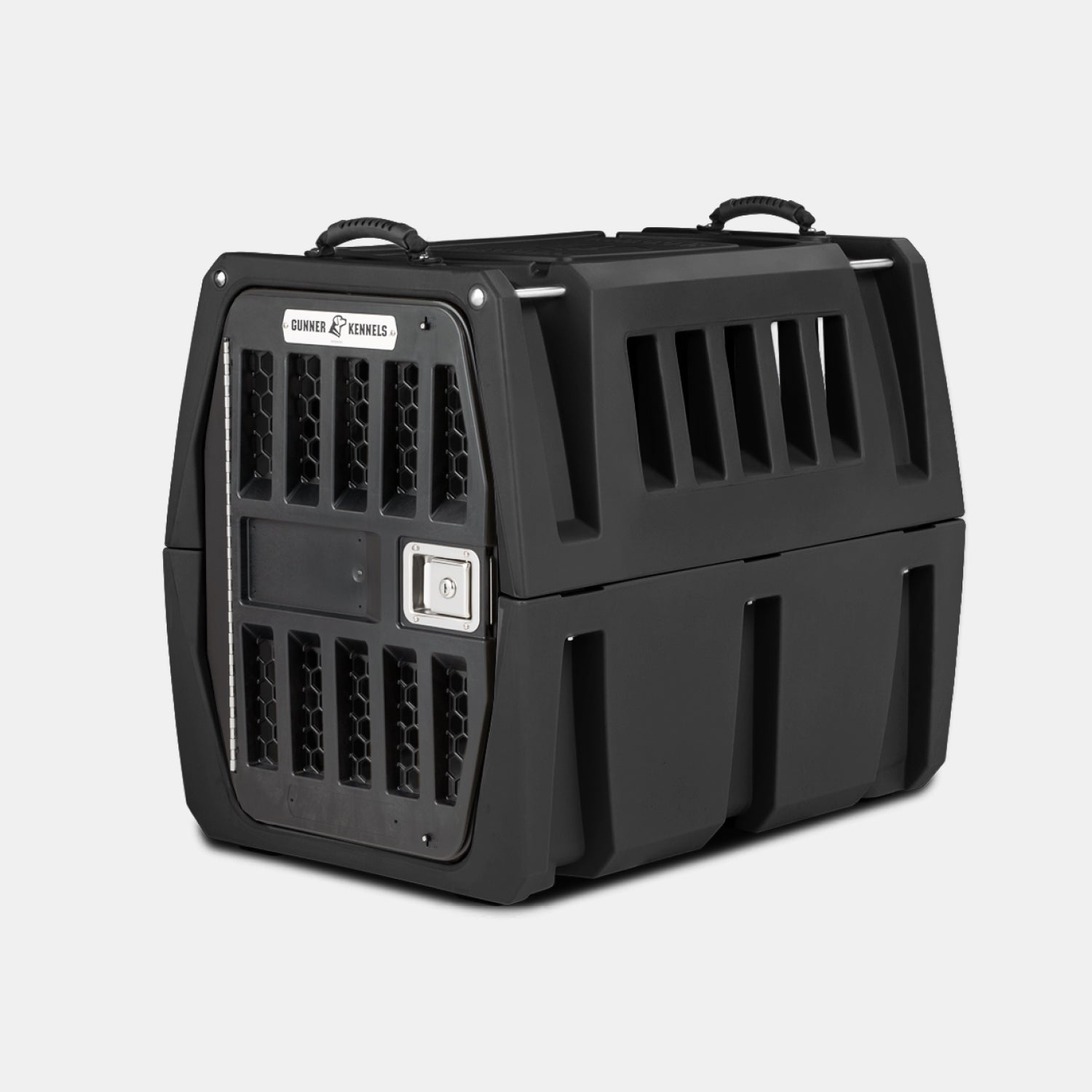
Compare G1 with the Sierra’s usual work equipment accounted for, checking the handle against the closing rear door and the latch after installation.
When we would pass: The deciding trial includes usable cabin width with required seats retained. A floor-only fit does not resolve that constraint.
Check this option and its instructions →
These are candidates to investigate, not confirmed fits. Match the exact size and installation instructions to your dog and vehicle before ordering.
Before you order
Use the main guide’s dog-sizing and loading-route checklist to test your chosen layout. Review how to check crash-test evidence for the exact product and installation; a successful physical fit does not establish crash protection.
Bring your dog’s measurements, your model year and trim, and photos of the intended installation area to the kennel seller. Ask for the exterior envelope and usable interior measurements of the exact size and door configuration. Confirm the return terms before a trial fit.
Sources and related guides
Reviewed October 26, 2026. Recommendations are editorial judgments from published information; no vehicle-specific fit or crash result is implied.