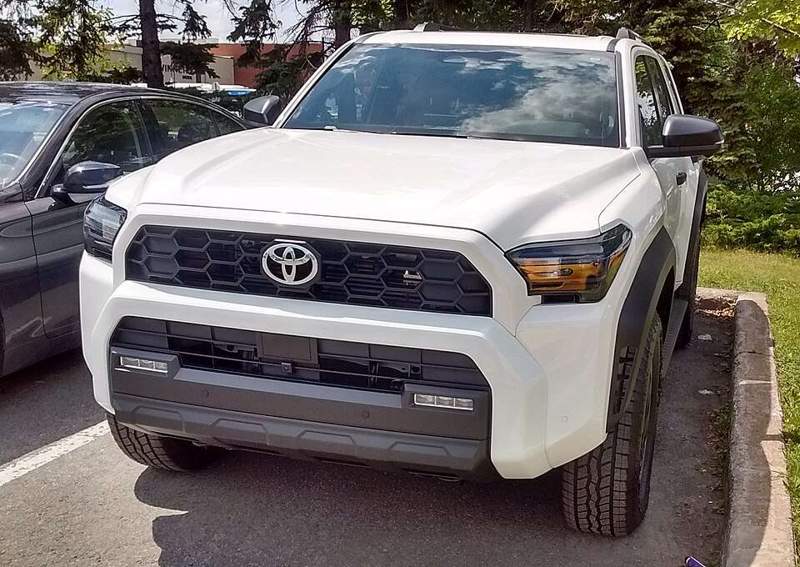
Research-based shortlist, not a verified-fit list. Confirm your model year, body style, trim and seat layout before buying.
This guide builds on our general guide to choosing the best kennel for your vehicle. Start there for the overall approach, or change vehicles with the selector below.
Start with your Toyota 4Runner’s layout
For a Toyota 4Runner, start with a dog-sized GUNNER G1 or RuffLand Intermediate and evaluate the entire installation in your own cargo area. These are comparison candidates, not confirmed fits. The 4Runner name covers substantially different generations and seating layouts; an owner photo of a different year is not a dimensional template. The useful question is whether the right kennel for your dog can load, sit properly and be secured in your configuration.
Toyota offers a third row on selected current 4Runner configurations. Decide whether that row must remain usable before shopping. Measure once with your normal passenger arrangement and again only if you are genuinely willing to fold seats for every dog trip. Record the floor length, the narrowest width, the opening height and the clearance where the rear glass and trim move inward above the floor.
Do a loading rehearsal at the tailgate rather than relying on cargo-volume figures. A tall kennel may clear the opening only when tilted, and that tilt needs its own space. Once inside, its door must open without striking the sill or the hatch. If you intend to use a ramp, include both the ramp’s stored position and enough room for your dog to approach the kennel entrance.
An adventure-oriented SUV still needs a deliberate restraint plan. Check the vehicle manual and kennel instructions together; visible cargo hooks do not establish that every proposed strap arrangement is suitable. Keep recovery tools, coolers and luggage independently secured and clear of the kennel’s ventilation. If the dog-sized crate leaves no workable attachment or loading access, change the layout rather than choosing an undersized crate.
The checks that matter here
- Confirm generation, powertrain and whether a third row is fitted.
- Measure hatch clearance at the kennel’s upper corners and closed-glass position.
- Test ramp placement, kennel-door swing and access to the specified restraints.
Kennels we would compare for the Toyota 4Runner
Choose the kennel whose correct dog size, loading path and restraint arrangement all work in your actual seating configuration.
GUNNER G1 — select size for your dog
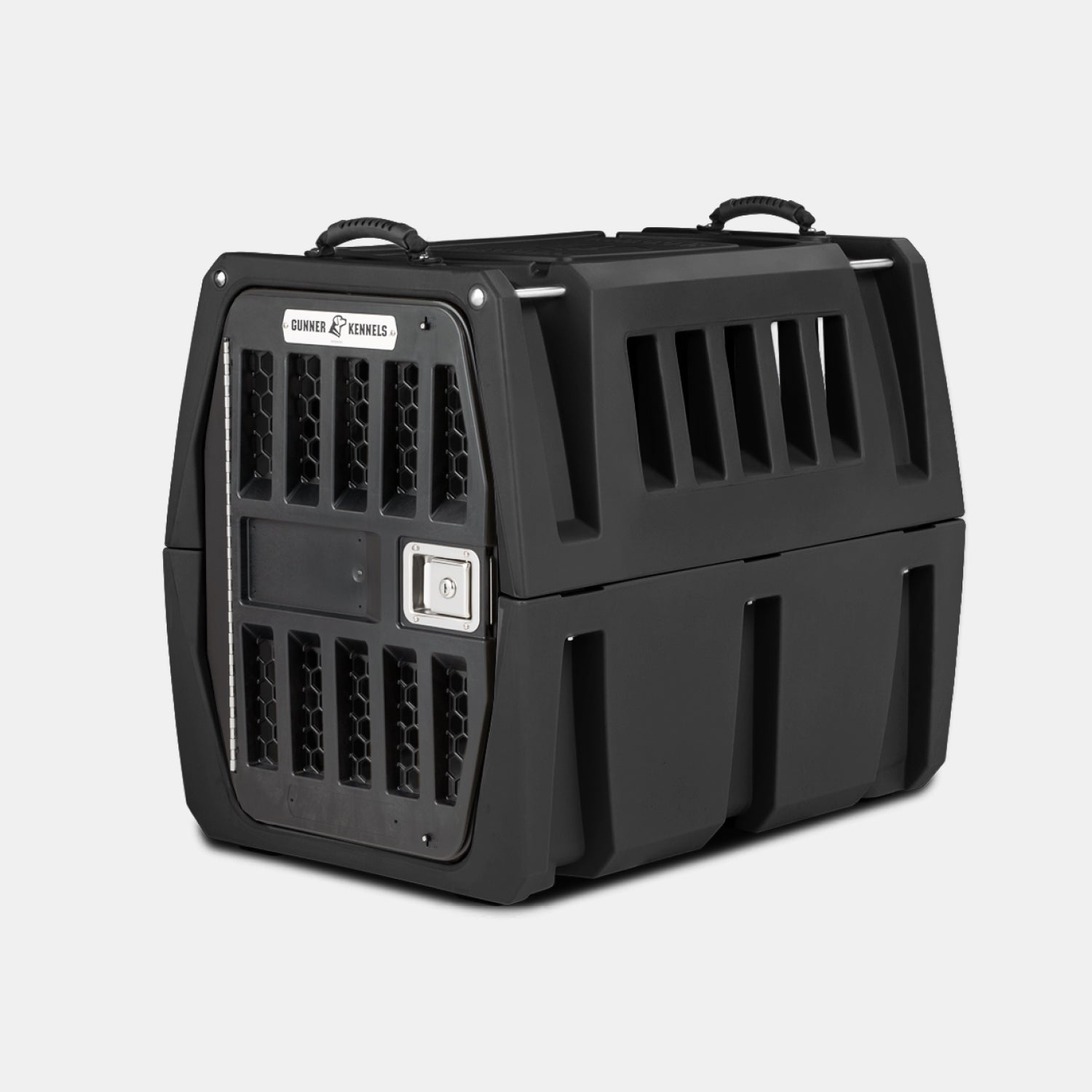
A candidate for a dedicated cargo installation after you establish the 4Runner’s row configuration.
When we would pass: Retaining the optional third row may rule out a setup photographed with it folded or absent.
Check this option and its instructions →
RuffLand Intermediate Kennel
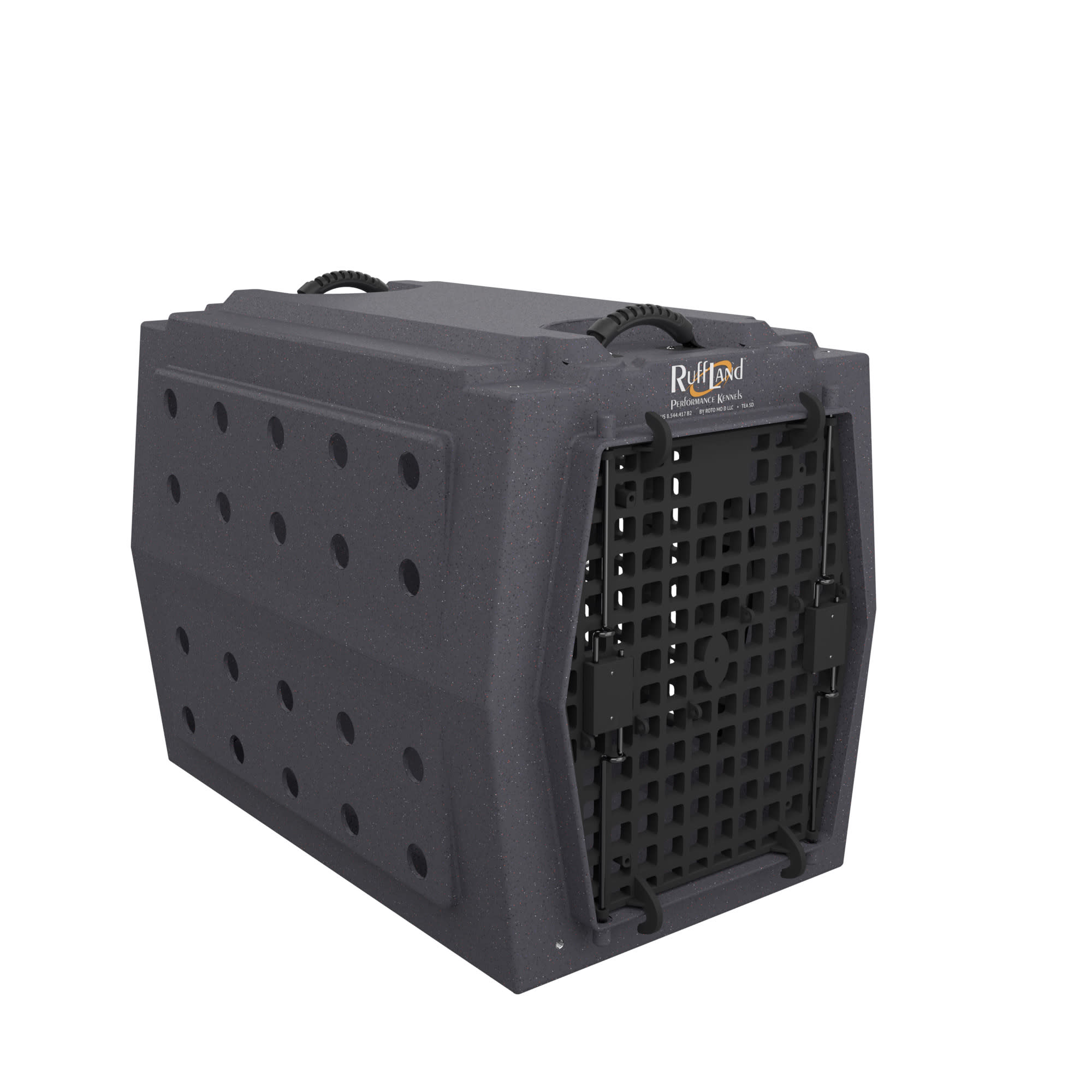
Worth measuring when access from the 4Runner hatch and room beside other secured equipment are important.
When we would pass: Include the ramp’s approach and stored position instead of using that space twice in the cargo plan.
Check this option and its instructions →
These are candidates to investigate, not confirmed fits. Match the exact size and installation instructions to your dog and vehicle before ordering.
Before you order
Use the main guide’s dog-sizing and loading-route checklist to test your chosen layout. Review how to check crash-test evidence for the exact product and installation; a successful physical fit does not establish crash protection.
Bring your dog’s measurements, your model year and trim, and photos of the intended installation area to the kennel seller. Ask for the exterior envelope and usable interior measurements of the exact size and door configuration. Confirm the return terms before a trial fit.
Sources and related guides
- Toyota 4Runner manufacturer information
- GUNNER G1 — select size for your dog — manufacturer product information and instructions
- RuffLand Intermediate Kennel — manufacturer product information and instructions
- Compare our kennel product reviews
- All 106 vehicle guides
Reviewed October 26, 2026. Recommendations are editorial judgments from published information; no vehicle-specific fit or crash result is implied.