Research-based shortlist, not a verified-fit list. Confirm your model year, body style, trim and seat layout before buying.
This guide builds on our general guide to choosing the best kennel for your vehicle. Start there for the overall approach, or change vehicles with the selector below.
Start with your Tesla Model S’s layout
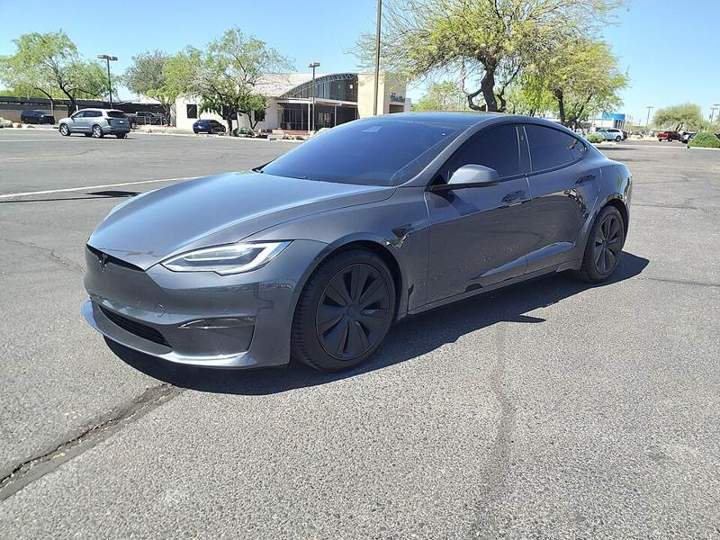
The Model S has a rear liftgate, so it needs a different kennel assessment from a sedan with a separate enclosed trunk. Its sloping rear profile makes the height of the installed kennel especially important. Start with the hatch opening and the height available where the kennel’s rear corners would sit, rather than relying on the length of the cargo floor.
Preserve the passenger seats required for a normal journey. If you plan to fold a rear seat, check the process in the manual for your year and verify that the remaining passenger arrangement is usable. Include the parcel shelf, floor covers and any cargo accessories in the test. Removing an accessory may change the geometry, but it does not automatically create an approved anchoring point.
Build a full-height mock-up before ordering, and lower the hatch carefully without forcing it against the mock-up. Leave room for the dog’s ventilation and for handling the kennel at stops. If the right size for your dog cannot be accommodated, a properly researched vehicle restraint is a better direction than a smaller crate. The front trunk is not an alternative occupied pet space, and an older Model S should be checked against its own generation’s instructions.
The checks that matter here
- Closed-hatch clearance above rear kennel corners
- Parcel shelf and cargo-floor configuration
- Usable length with necessary rear seats occupied
- Kennel latch access after securing other luggage
Kennels we would compare for the Tesla Model S
For a dog that fits a suitable rigid travel kennel, compare a Gunner G1 against a RuffLand option using their actual exterior envelopes. The most useful difference here may be whether a specific shell and door orientation can work below the closed hatch while leaving access to the latch. Do not read the word “SUV” on a kennel as a promise that its profile matches this hatchback.
Gunner G1 — exact size to be confirmed
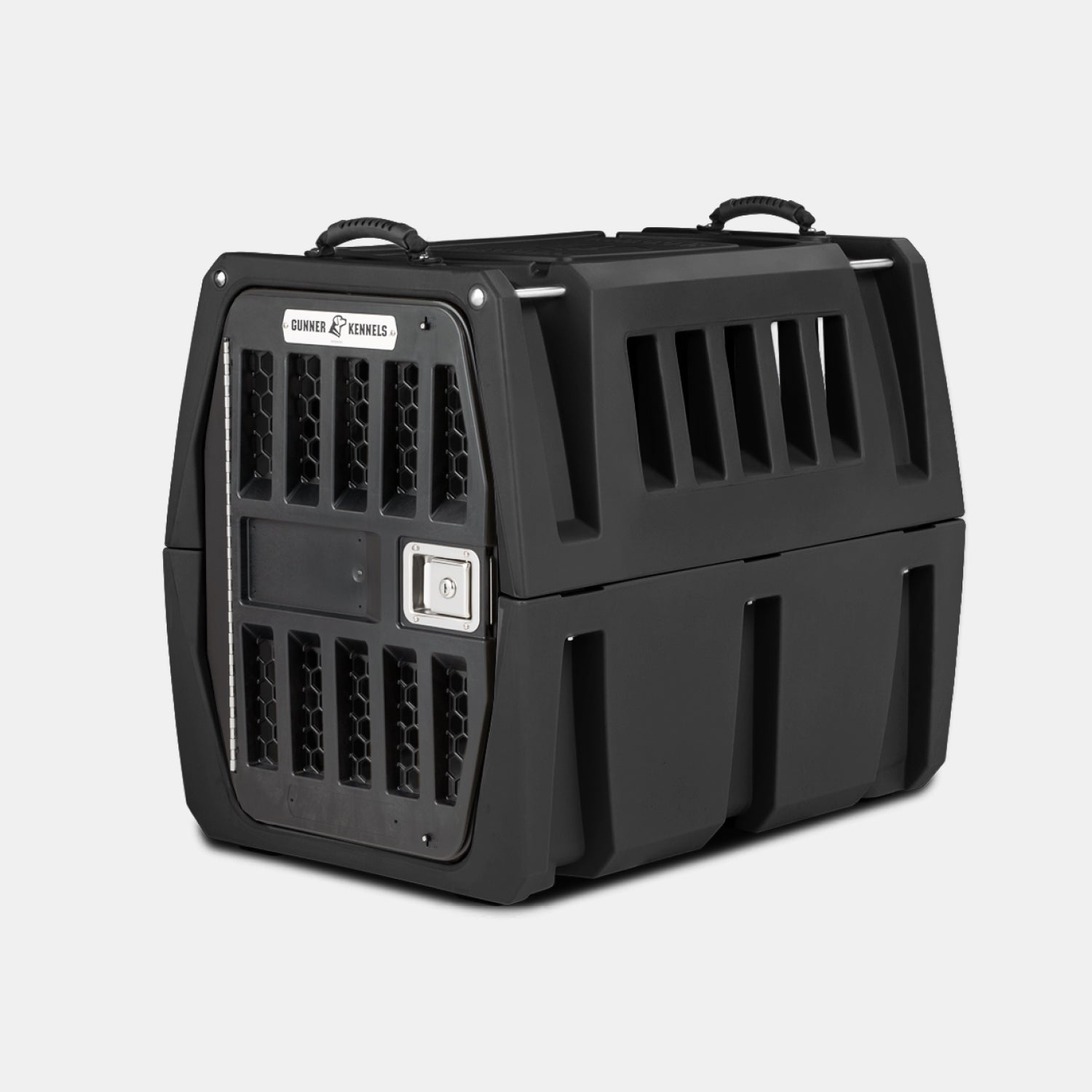
Compare the dog-appropriate size against closed-hatch height, including the upper corners of its shell.
When we would pass: The closed sloping liftgate can rule out the full-height shell even where its base fits comfortably.
Check this option and its instructions →
RuffLand — exact size and door configuration to be confirmed
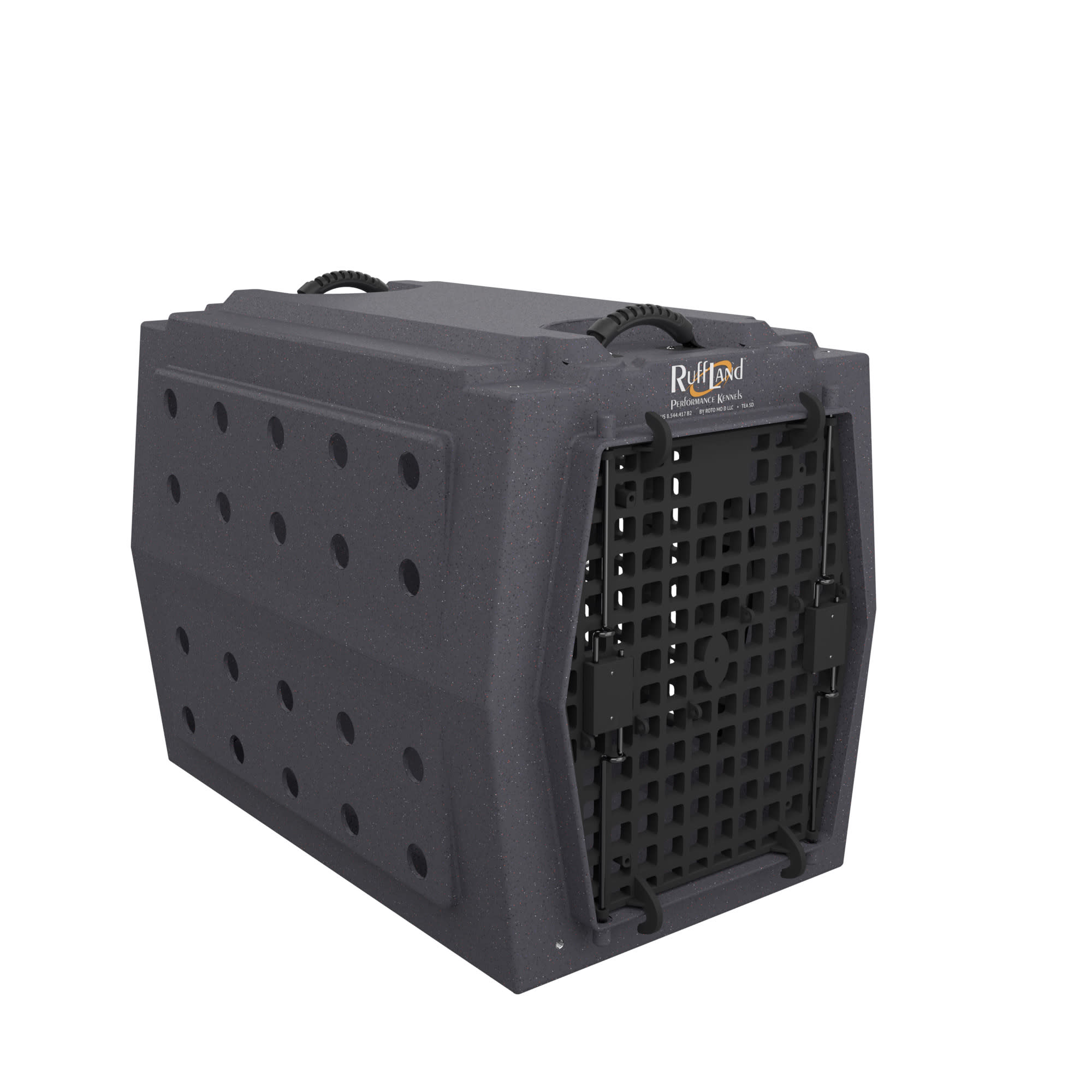
Compare the exterior profile and latch position carefully against the Model S liftgate rather than selecting by nominal kennel length.
When we would pass: An angled “SUV” shell label does not establish a profile match to the Model S rear glass.
Check this option and its instructions →
These are candidates to investigate, not confirmed fits. Match the exact size and installation instructions to your dog and vehicle before ordering.
Before you order
Use the main guide’s dog-sizing and loading-route checklist to test your chosen layout. Review how to check crash-test evidence for the exact product and installation; a successful physical fit does not establish crash protection.
Bring your dog’s measurements, your model year and trim, and photos of the intended installation area to the kennel seller. Ask for the exterior envelope and usable interior measurements of the exact size and door configuration. Confirm the return terms before a trial fit.
Sources and related guides
- Tesla Model S manufacturer information
- Tesla owner instructions for seats or rear cargo area
- Gunner travel kennel range and instructions
- RuffLand Intermediate kennel and configuration guidance
- Compare our kennel product reviews
- All 106 vehicle guides
Reviewed October 26, 2026. Recommendations are editorial judgments from published information; no vehicle-specific fit or crash result is implied.