Research-based shortlist, not a verified-fit list. Confirm your model year, body style, trim and seat layout before buying.
This guide builds on our general guide to choosing the best kennel for your vehicle. Start there for the overall approach, or change vehicles with the selector below.
Start with your Honda Passport’s layout
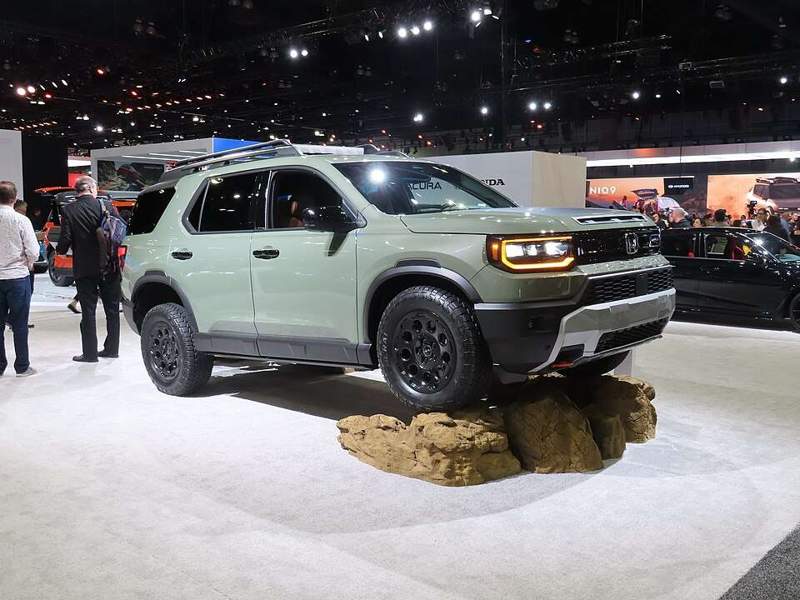
The Passport’s two-row layout makes a dedicated cargo kennel a logical option to investigate. Compare a correctly sized GUNNER G1 and RuffLand Intermediate, checking the complete shell and restraint arrangement in your own vehicle. These are starting candidates rather than verified Passport fits. Unlike choosing a Pilot layout, the main passenger-space decision here is usually whether the second row remains available.
Use measurements from your actual generation. The Passport changed substantially for the 2026 model year, so a successful installation in an earlier example should not be treated as a current fit guarantee. Leave the rear seatbacks in their normal position and measure from them to the closed hatch. Check the width at the kennel’s full height as well as at floor level, where the cargo area may appear more generous.
The hatch opening, sill and kennel-door swing deserve a separate trial. A kennel that fits once inside may be awkward to load or too close to the hatch for the dog to enter comfortably. If outdoor trips involve a ramp or step, include its setup space in your parked test. Also verify that the ramp can be stored securely without blocking the kennel’s ventilation or access.
An outdoor-oriented trim does not settle the restraint question. Match the kennel instructions to suitable vehicle attachment locations and seek manufacturer guidance where the combination is unclear. Keep muddy boots, recovery equipment and coolers restrained independently rather than packing them against the crate. A good Passport arrangement gives the dog a correctly sized enclosure while retaining a usable loading routine and the passenger seats you expect to use.
The checks that matter here
- Confirm generation, especially before comparing pre-2026 fit photos.
- Measure behind the second row in the passengers’ normal seat position.
- Check hatch opening, ramp approach and kennel-door swing together.
- Confirm restraints and a separate secure location for outdoor equipment.
Kennels we would compare for the Honda Passport
Choose a dog-sized kennel whose loading, attachment and daily access work behind the passenger seats you need.
GUNNER G1 — select size for your dog
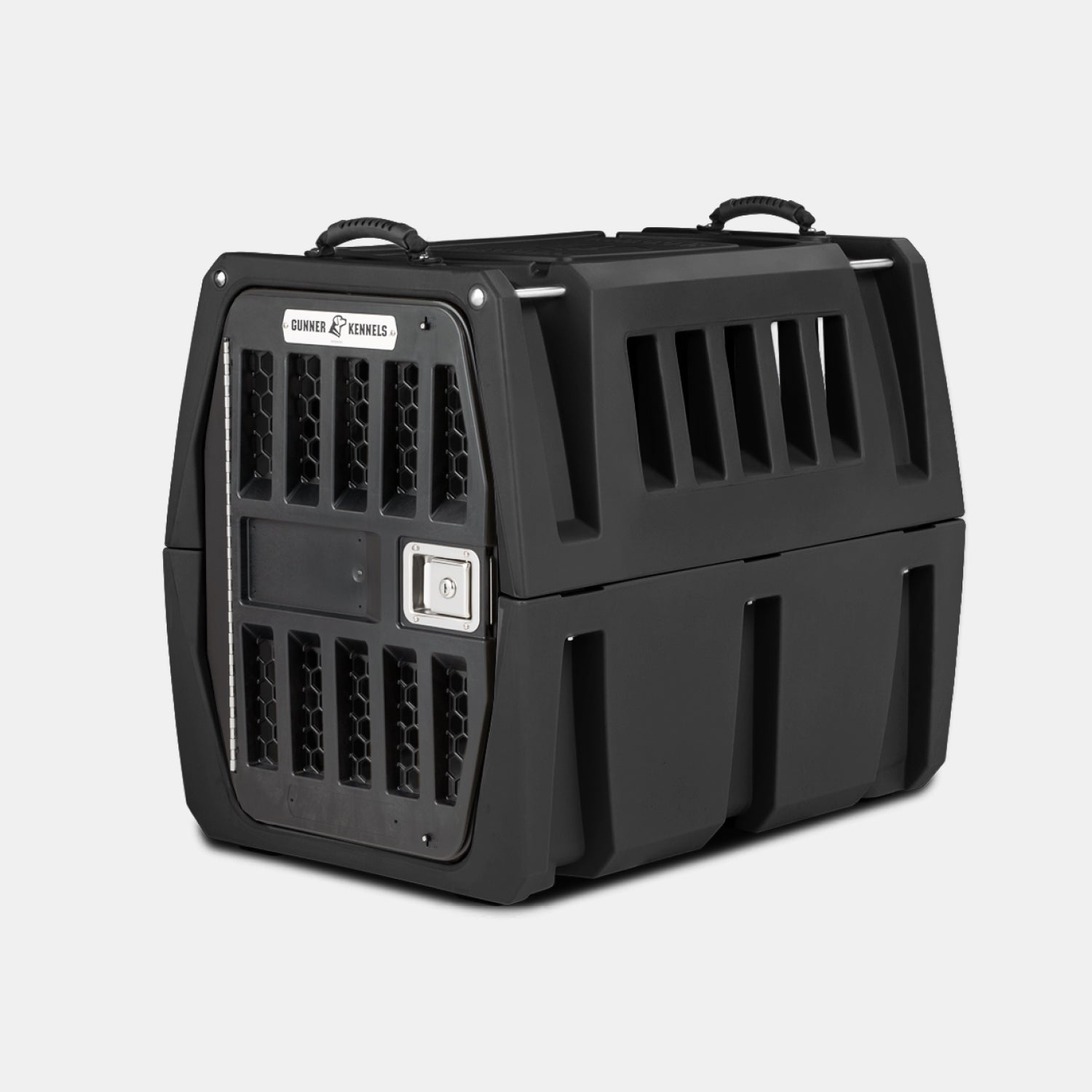
Compare for a dedicated cargo setup behind the Passport’s second row.
When we would pass: An older Passport fit does not settle the redesigned model’s hatch and floor details.
Check this option and its instructions →
RuffLand Intermediate Kennel
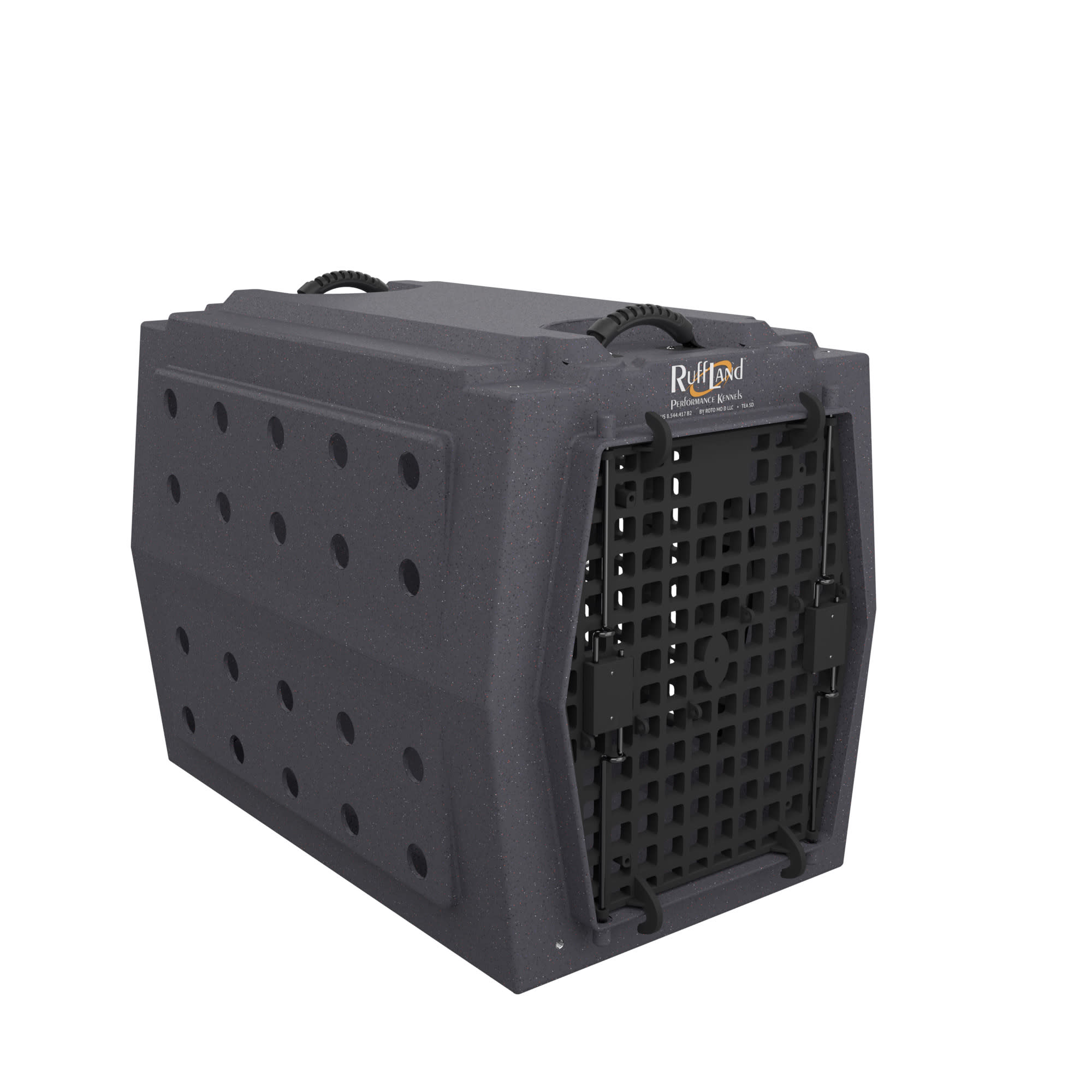
A candidate to measure alongside separately secured outdoor gear in the two-row Passport.
When we would pass: Adventure luggage must have its own restrained position; it cannot be wedged against kennel vents or the latch.
Check this option and its instructions →
These are candidates to investigate, not confirmed fits. Match the exact size and installation instructions to your dog and vehicle before ordering.
Before you order
Use the main guide’s dog-sizing and loading-route checklist to test your chosen layout. Review how to check crash-test evidence for the exact product and installation; a successful physical fit does not establish crash protection.
Bring your dog’s measurements, your model year and trim, and photos of the intended installation area to the kennel seller. Ask for the exterior envelope and usable interior measurements of the exact size and door configuration. Confirm the return terms before a trial fit.
Sources and related guides
- Honda Passport manufacturer information
- GUNNER G1 — select size for your dog — manufacturer product information and instructions
- RuffLand Intermediate Kennel — manufacturer product information and instructions
- Compare our kennel product reviews
- All 106 vehicle guides
Reviewed October 26, 2026. Recommendations are editorial judgments from published information; no vehicle-specific fit or crash result is implied.