Research-based shortlist, not a verified-fit list. Confirm your model year, body style, trim and seat layout before buying.
This guide builds on our general guide to choosing the best kennel for your vehicle. Start there for the overall approach, or change vehicles with the selector below.
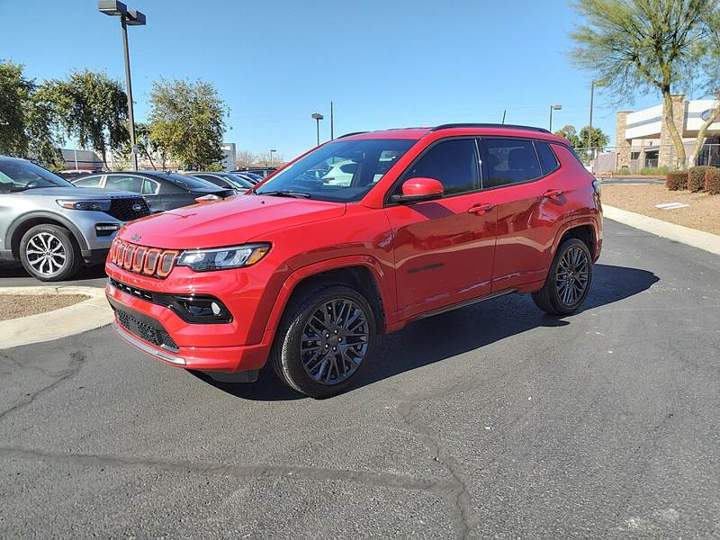
Start with your Jeep Compass’s layout
The Compass is a compact SUV, and we would begin with the space available behind an occupied rear seat. This is the arrangement many owners need for school runs and weekend travel. Measuring with the rear seats folded can produce an attractive result that does not describe the way the vehicle will actually be used with both people and a dog aboard.
Check the cargo opening at its narrowest point, then measure around the wheel-area trim and beneath the closing hatch. Include any raised cargo floor or fitted liner in the assessment. A kennel may sit within the floor outline yet be difficult to rotate through the opening, particularly if the handle or latch is the widest part. Your mock-up should represent those projections as well as the basic shell.
The useful buying test is an ordinary outing: passengers seated, dog equipment packed, and enough room to open the kennel without moving every bag. If a suitable enclosure consumes the whole cargo area, decide whether that compromise is sustainable before ordering. Do not shrink the kennel below the maker’s guidance to preserve shopping space. Check the model year and local-market specification carefully, because the Compass name has covered more than one generation.
The checks that matter here
- Space behind rear seats in their normal occupied position
- Hatch aperture, wheel-area trim and cargo-floor level
- Complete kennel envelope including latch and handle
- Loading access with routine shopping or travel bags
Kennels we would compare for the Jeep Compass
A smaller dog-appropriate Gunner G1 is worth investigating when its exterior and required securing arrangement leave sufficient working room. RuffLand’s size and door choices provide another route to compare, particularly if you want a simple rear-facing entrance. We would pay for a second door only when the Compass layout gives you real access to it; an inaccessible door adds no daily convenience.
Gunner G1 — exact size to be confirmed
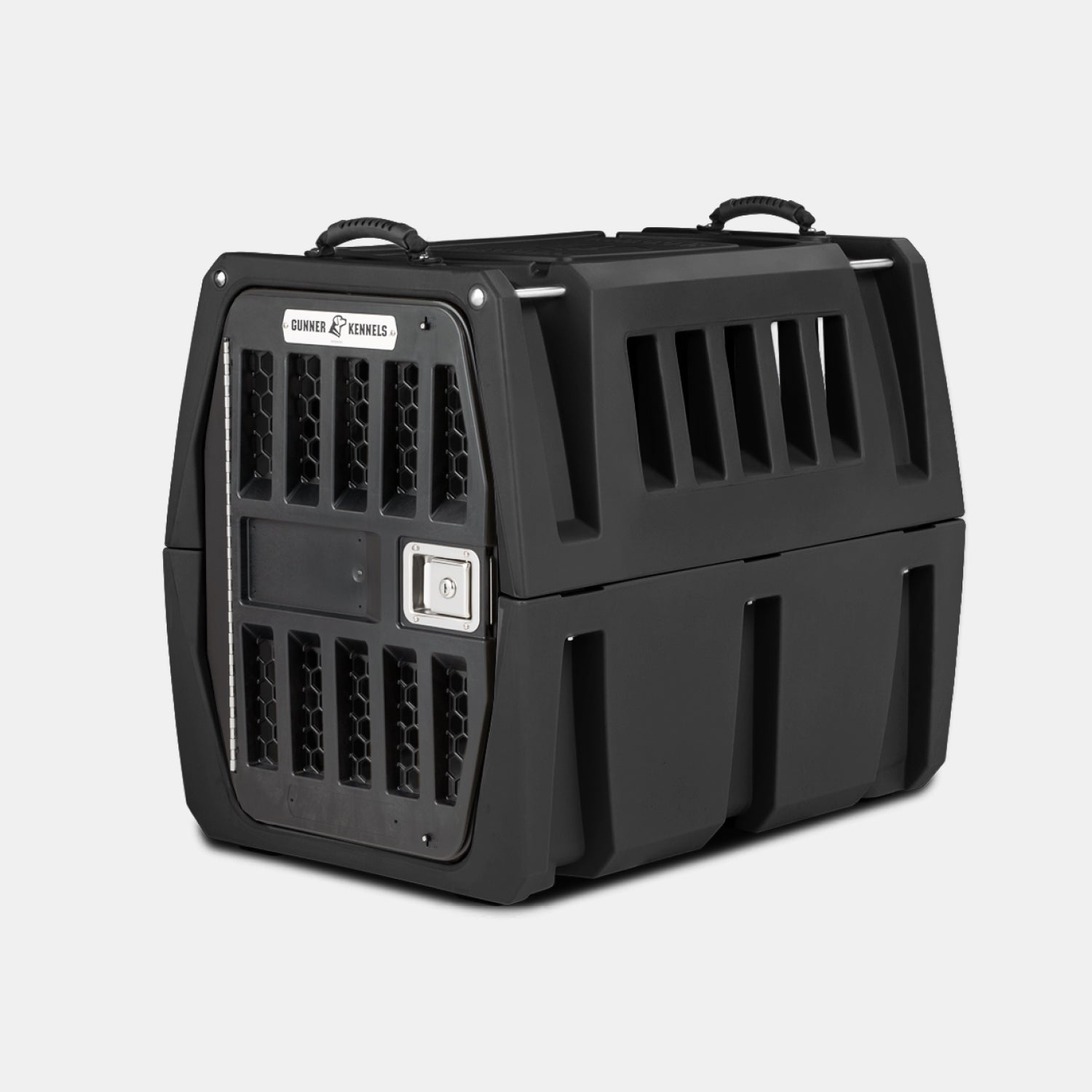
A smaller size may be a candidate for an appropriately sized dog, provided it also leaves installation and hatch-opening clearance.
When we would pass: Check the exact generation and market body instead of treating every Compass photo as the same cargo opening.
Check this option and its instructions →
RuffLand — exact size and door configuration to be confirmed
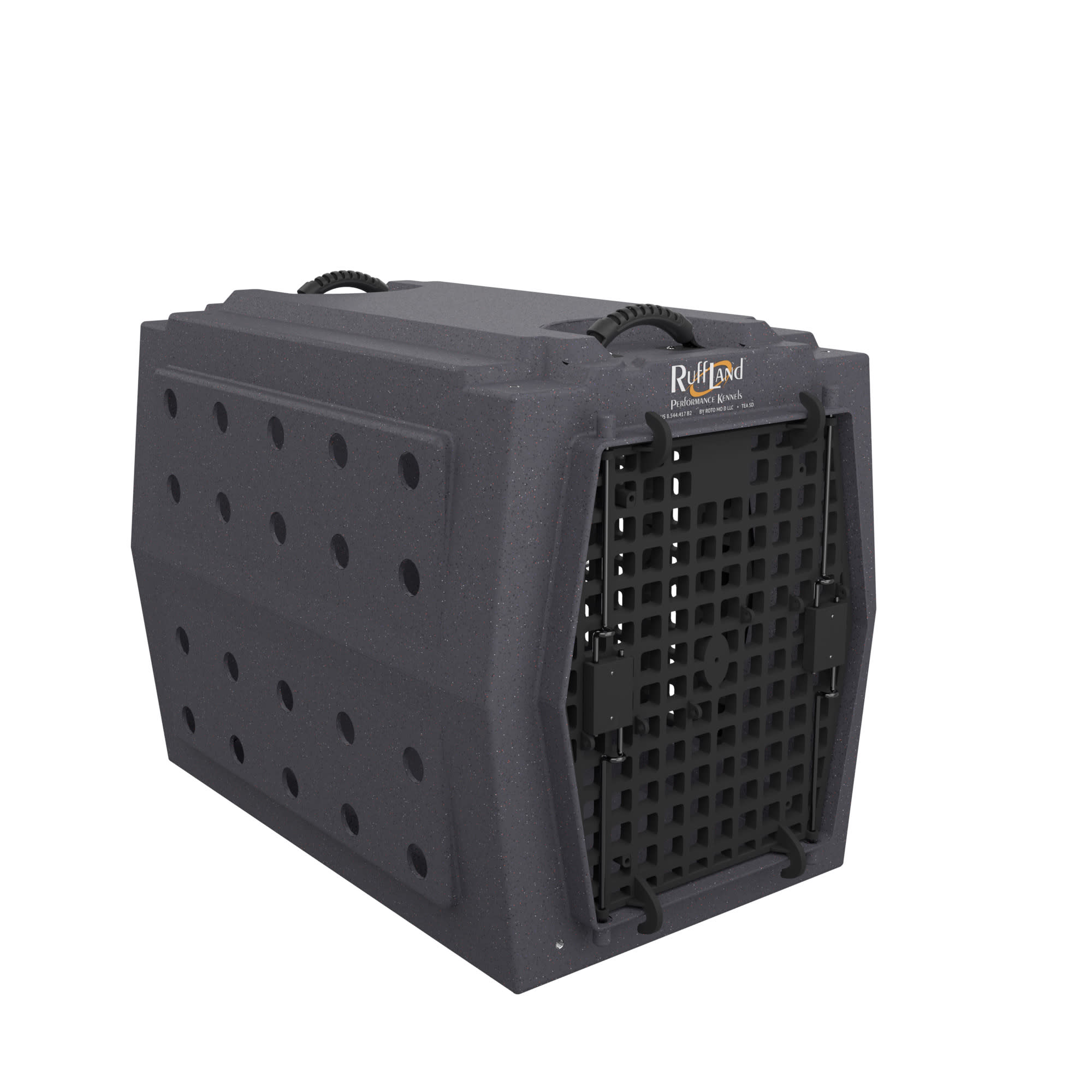
Compare the exact size and simple rear-entry configuration against the Compass cargo opening and daily luggage needs.
When we would pass: A second door against a seatback adds no practical access to the normal seats-up arrangement.
Check this option and its instructions →
These are candidates to investigate, not confirmed fits. Match the exact size and installation instructions to your dog and vehicle before ordering.
Before you order
Use the main guide’s dog-sizing and loading-route checklist to test your chosen layout. Review how to check crash-test evidence for the exact product and installation; a successful physical fit does not establish crash protection.
Bring your dog’s measurements, your model year and trim, and photos of the intended installation area to the kennel seller. Ask for the exterior envelope and usable interior measurements of the exact size and door configuration. Confirm the return terms before a trial fit.
Sources and related guides
- Jeep Compass manufacturer information
- Gunner travel kennel range and instructions
- RuffLand Intermediate kennel and configuration guidance
- Compare our kennel product reviews
- All 106 vehicle guides
Reviewed October 26, 2026. Recommendations are editorial judgments from published information; no vehicle-specific fit or crash result is implied.